1. Check your contract end date

Find your current contract end date, notice requirements and any early termination conditions.
You may be able to arrange your next contract in advance, but the new supply should normally begin when your existing agreement permits it. Trying to leave too early could result in an objection or termination charge.
Leaving the process until after your contract expires could also mean your business moves onto an out of contract rate.
Ofgem distinguishes between out of contract and deemed arrangements. Out of contract rates generally apply when an existing agreement ends, while a deemed contract commonly applies when a business begins using energy at premises without first agreeing a contract. Read Ofgem’s explanation of business contracts.
2. Collect your meter information

You will normally need your:
- Business name
- Supply address
- Current supplier
- Contract end date
- Annual consumption
- MPAN for electricity
- MPRN for gas
Your MPAN and MPRN identify the supply points at your premises. They are not the same as the meter serial number.
Check the information carefully if you operate from several sites. Using the wrong meter reference could delay the quote or transfer the wrong supply.
3. Compare complete offers
When you compare business energy quotes, look at:
- Unit rates
- Standing charges
- Estimated annual costs
- Contract lengths
- Payment terms
- Fixed and changeable costs
- Broker commission
- Termination conditions
Use the same annual consumption figure for every comparison.
A lower unit rate may be offset by a higher standing charge or additional costs. Read our guide on getting a cheaper business energy quote before choosing an offer.
4. Review the written contract
Once you have selected an offer, check the written information before agreeing.
Make sure the contract contains the correct company name, site address, meter details, rates, term and proposed start date.
Most business energy contracts do not provide a cooling off period. An agreement made over the phone may still be binding, so do not rely on being able to cancel it later.
Only named and authorised people within your business should be permitted to accept an energy contract.
5. Let the new supplier manage the transfer
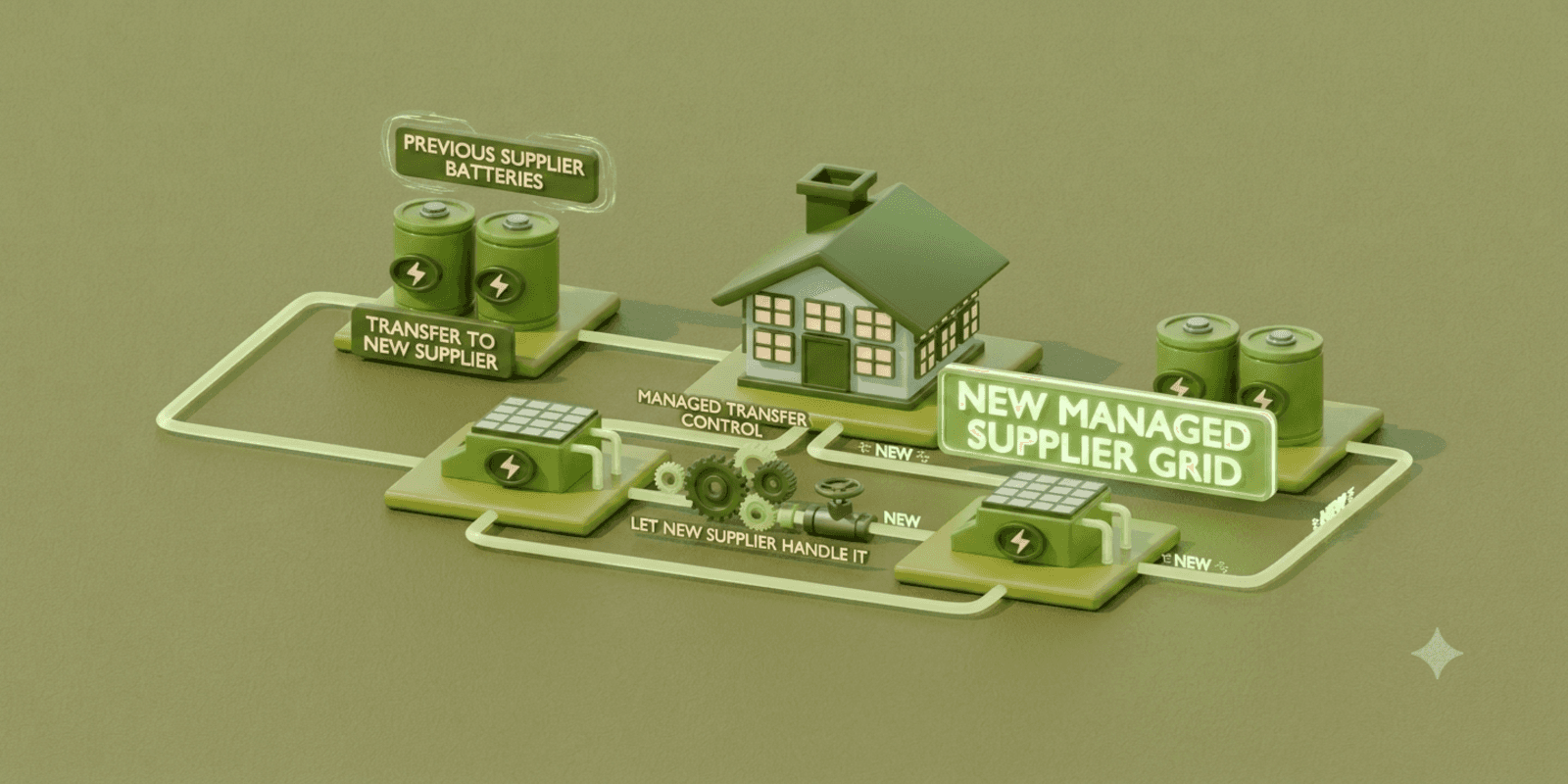
Your new supplier will normally arrange the transfer and communicate with your existing supplier.
A switch may be delayed if:
- The site is still in contract
- The meter information is incorrect
- There is an unresolved debt
- The business details do not match
- The existing supplier raises an objection
Ask for the reason in writing if an objection is raised. Correct inaccurate information or resolve valid outstanding issues as quickly as possible.
6. Record a meter reading
Take a clear reading on or close to the switch date. Keep a photograph showing the reading and meter serial number.
This helps establish where the old supplier’s billing responsibility ends and the new supplier’s begins.
A smart meter may send readings automatically, but you should still check that the final bill and first new bill use sensible readings. Learn more in our guide to business smart meters.
Check your first bill

When the first bill arrives, confirm:
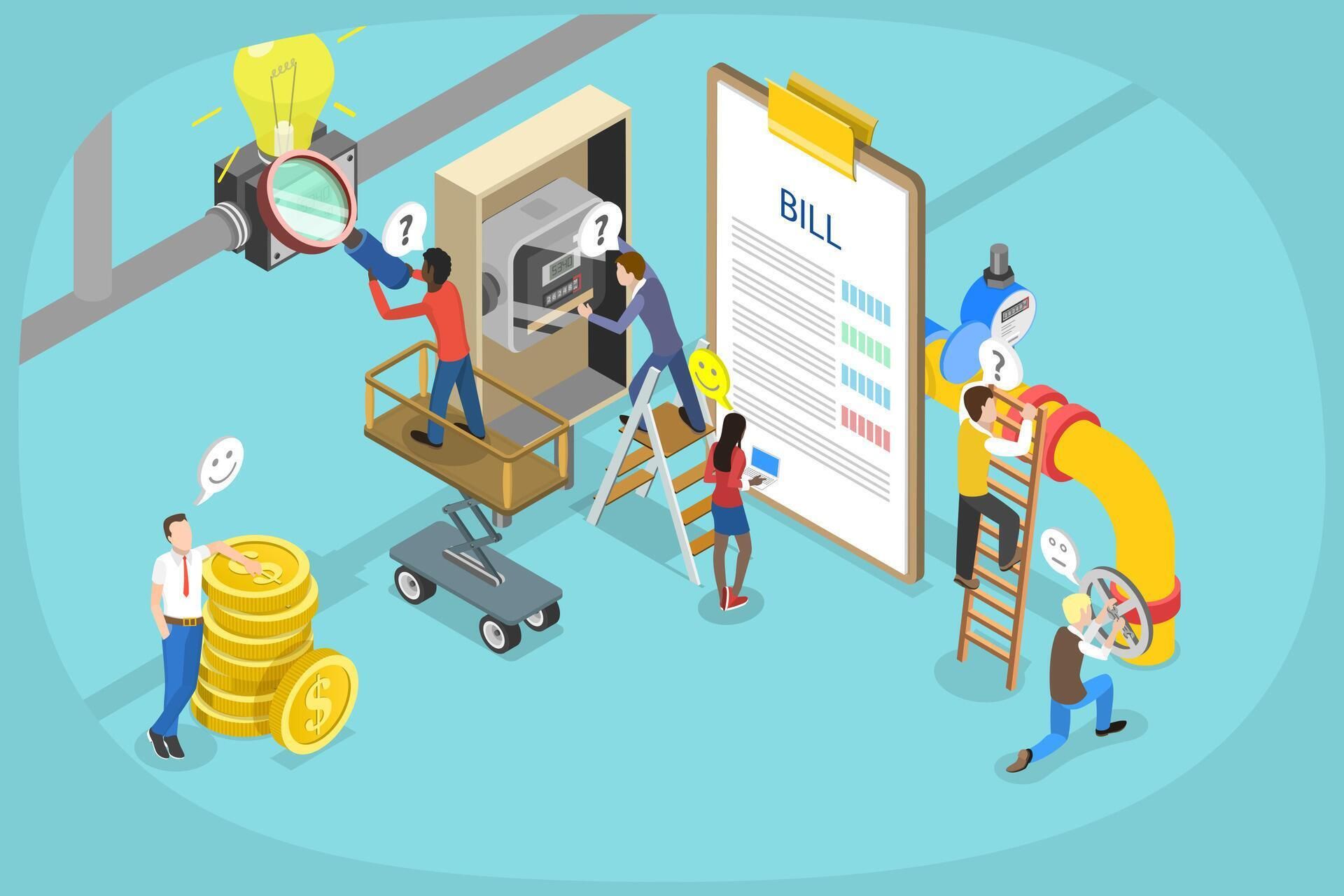
- The opening reading
- The meter serial number
- The supply address
- The agreed unit rate
- The standing charge
- The billing dates
Contact the supplier immediately if anything does not match the contract.
Smart Pay Energy offers SMEs a clearer, digital route to switching business energy. Have your current bill and contract end date ready, review the complete written offer and make sure every detail is correct before agreeing.
Visit our help centre or start your business energy quote.