1. Has the business used more energy?

Do not begin by comparing the amount due. Compare the number of kilowatt hours used.
Look at the same period last year, if available, and consider what has changed:
- Have opening hours increased?
- Has the business become busier?
- Have you installed new equipment?
- Has electric heating or air conditioning been used more?
- Has production increased?
- Was the weather unusually hot or cold?
A higher bill may be completely accurate if the business has used more energy.
Smart meter or half hourly data can help identify when the increase started. Read our guide to business smart meters to understand what the data can show.
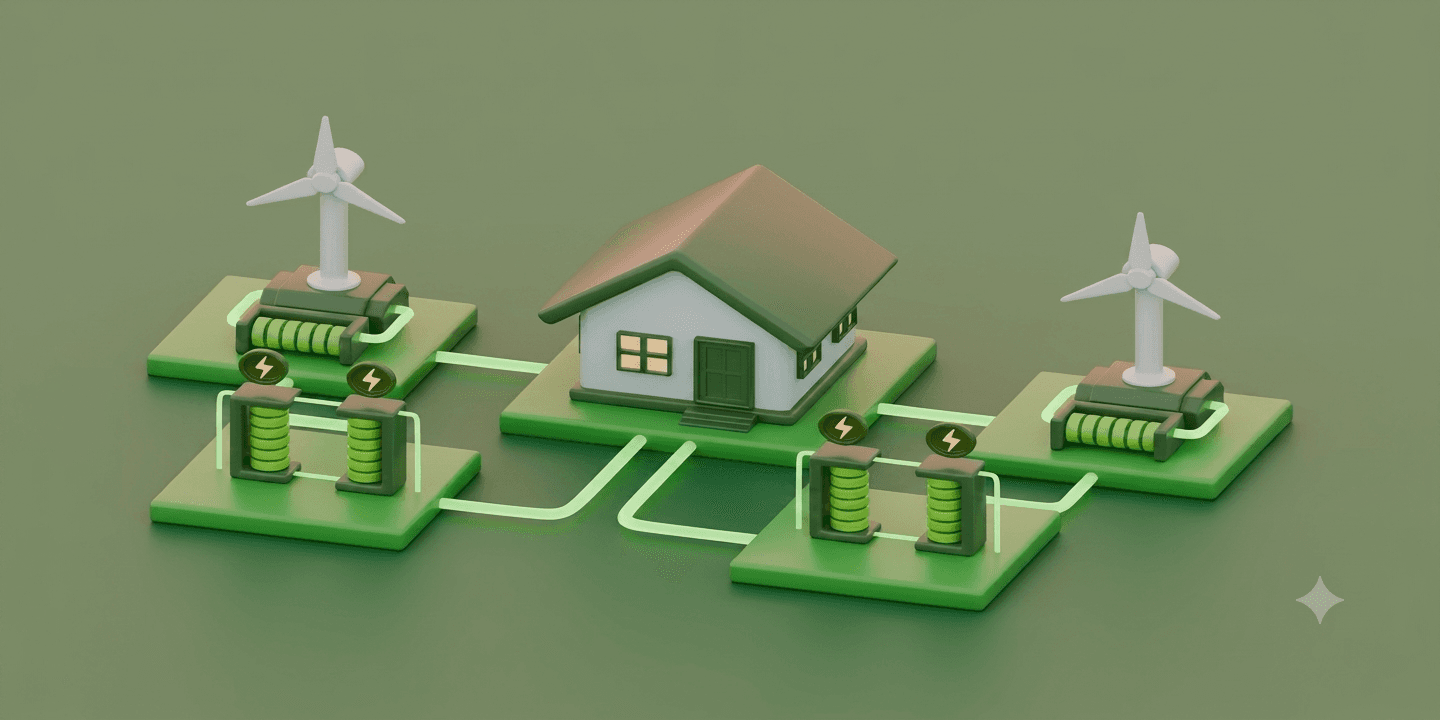
2. Is the bill based on an estimate?
Check whether the opening and closing readings are actual, smart, customer supplied or estimated.
A high estimate may cause the business to pay more than necessary. However, repeated low estimates can create the opposite problem. When an accurate reading is eventually taken, the account may receive a large catch up bill.
Compare the reading shown on the bill with the physical meter. Check the meter serial number too, particularly if the premises contains several units or meters.
Take a photograph and submit an up to date reading where required.
Ofgem advises businesses to provide regular meter readings or use a smart meter to help ensure they are billed accurately for the energy they use.
3. Have your contract rates changed?
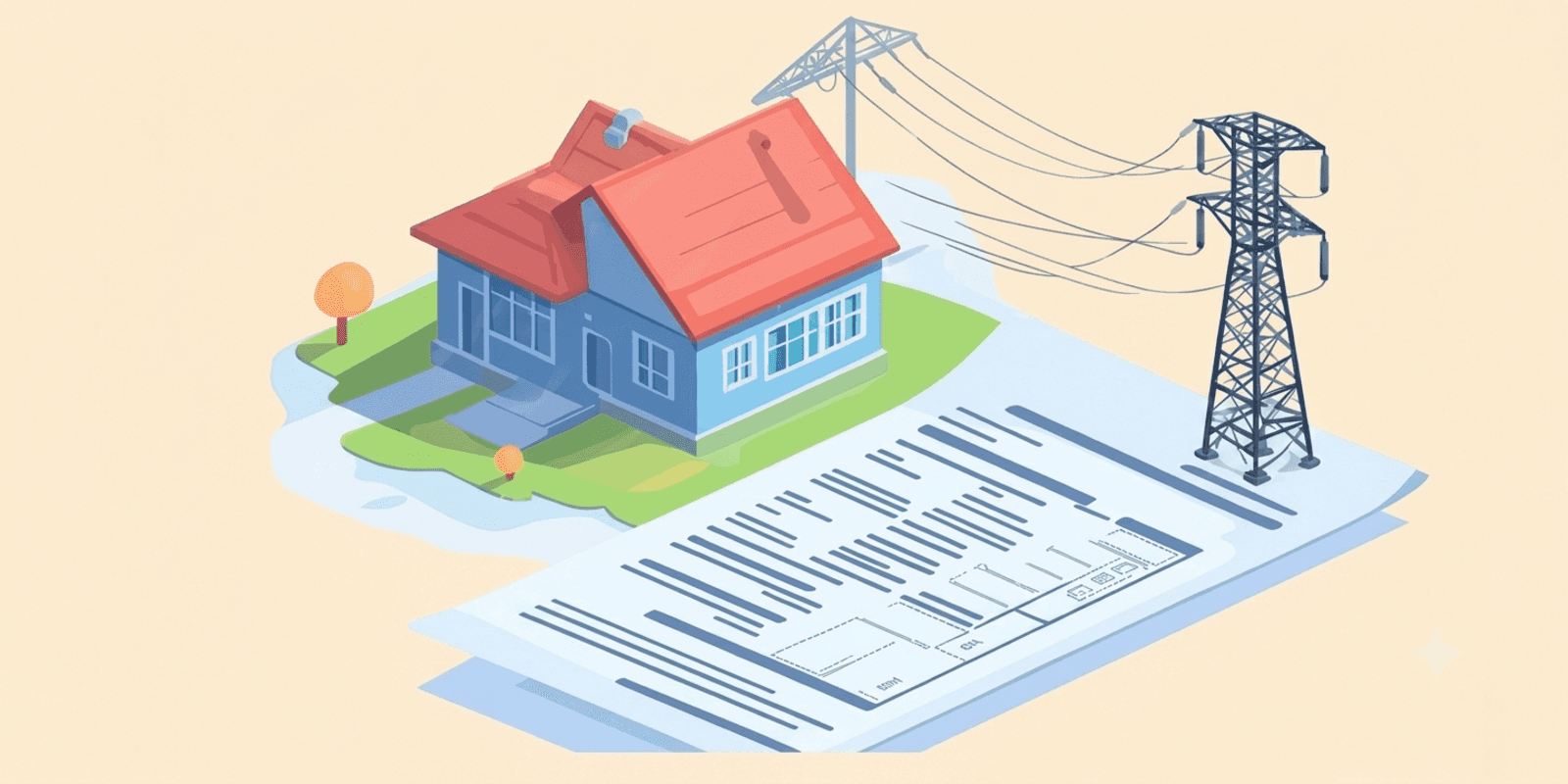
Find the unit rate and standing charge on the bill and compare them with your contract.
Check whether:
- The fixed term has ended
- The account has moved out of contract
- The business recently changed premises
- The site is on a deemed contract
- A variable rate has changed
- A pass through cost has increased
Business energy contracts can operate as fixed, variable, rollover, deemed or out of contract arrangements. The correct description and applicable rates should be set out in your contract and account information.
When your contract is approaching its end date, compare your options before agreeing another deal. See our guide to getting a cheaper business energy quote.
4. Does the total include an older balance?
The amount due may not relate entirely to the current billing period.
Check for:
- A balance brought forward
- A missed payment
- A catch up adjustment
- A removed credit
- A late payment charge
- A correction from an earlier bill
- Charges covering more days than usual
Follow the calculation from the opening balance through to the final amount rather than looking only at the total.
5. Is equipment wasting energy?
If the readings and rates appear correct, investigate the premises.
Common causes of avoidable consumption include:
- Heating running outside opening hours
- Air conditioning and heating operating together
- Faulty thermostats
- Damaged fridge or freezer seals
- Dirty refrigeration condensers
- Extraction left running
- Hot water heated for longer than necessary
- Lighting left on overnight
- Compressed air leaks
- Equipment left in full operating mode
Walk through the site shortly after closing or before opening. Listen for machinery, check lights and look at heating, cooling, hot water and ventilation controls.
A change does not need to be dramatic to affect the bill. An additional 2 kW load operating for 12 unnecessary hours every night would consume approximately 8,760 kWh over a year.
6. Has your overnight baseload increased?
Your baseload is the energy used when the business is not actively operating.
Some businesses need continuous refrigeration, servers, alarms or specialist equipment. The goal is not necessarily to reach zero. It is to understand what is normal.
Compare several closed periods. A sudden increase could indicate a control problem, equipment fault or change in staff routines.
7. What should you do if the figures are wrong?
Contact the supplier with:
- The bill number
- A photograph of the meter
- The meter serial number
- Your contract or rates
- The specific charge you are disputing
- Previous relevant correspondence
Explain the issue clearly and ask for a written response.
Keep records of calls, emails, readings, and payments. Continue dealing with any undisputed balance while the questioned amount is investigated, where appropriate.
You can find billing and contact information in the Smart Pay help centre.
Understand the cause before making changes
A high business energy bill should trigger four checks:
Consumption. Readings. Contract. Operations.
Once you know which one has changed, you can take the right action rather than guessing.
Smart Pay Energy is designed to give SMEs clearer account information, useful energy data and a more direct relationship with their supplier.
Learn more about Smart Pay Energy or get a business energy quote.
Business electricity bills explained
Primary keyword: business electricity bills explained
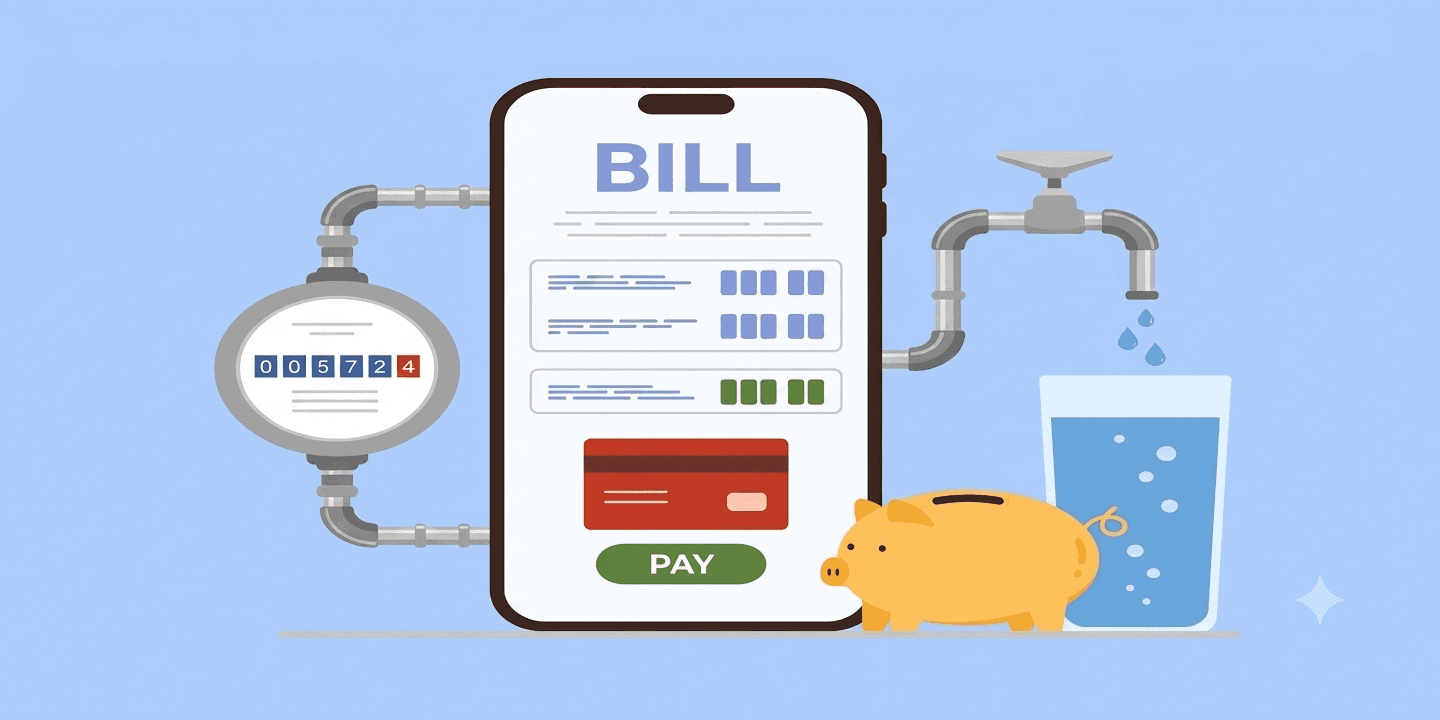
A business electricity bill contains several pieces of information that affect how much the company pays. Once you know where to look, it becomes easier to check whether the bill is accurate, compare contracts and spot unusual energy use.
Your account and supply details
The first section normally shows the business name, billing address, account number and electricity supply address. Check these details carefully, especially if the company has more than one location.
The bill should also include the MPAN, sometimes called the electricity supply number. This identifies the electricity connection rather than the physical meter. The meter serial number identifies the individual meter installed at the site. Both should match your records.
The billing period and meter readings
Check the start and end dates covered by the bill. Then look at the opening and closing readings. The bill should indicate whether each reading is actual, supplied by the customer or estimated.
The difference between the readings is used to calculate consumption, although some meter types require an additional multiplier. Usage is measured in kilowatt hours, shown as kWh.
If the bill uses an estimate, compare it with the current meter. A single estimate may not create a major problem, but repeated estimates can lead to undercharging or overcharging. When the account is later corrected, the business may receive a larger catch-up bill or credit.
The unit rate
The unit rate is the amount charged for each kWh used. Multiply the consumption by the unit rate to calculate the main energy charge.
Some businesses have one rate at all times. Others have different day, night, evening or weekend rates. Half-hourly and more complex meters may also have additional charging arrangements. Check that the bill uses the rates agreed in your contract.
The standing charge
The standing charge is a fixed daily cost. It can cover costs connected with keeping the site supplied and maintaining the energy system. It may apply even if the business uses no electricity during the billing period.
To check it, multiply the daily standing charge by the number of days on the bill. When comparing quotes, look at the unit rate and standing charge together. A tariff with a low unit rate but high standing charge may not be best for a low-usage site.
Taxes and additional charges
Business bills may include VAT and the Climate Change Levy. The VAT rate and levy treatment depend on the circumstances, so businesses should check that the correct information has been applied.
Other items can include network-related costs, meter charges, capacity charges, data services or contract-specific adjustments. Some costs may be included within the unit rate, while others are shown separately.
Contract information
The bill may show the tariff name, contract end date and renewal information. Add the end date to your calendar. Reviewing the account before the contract expires can reduce the risk of moving onto an out-of-contract rate.
The total amount and payment status
Check previous balances, payments, credits and adjustments before looking at the final amount due. A high total may include an unpaid balance from an earlier bill rather than unusually high consumption in the current period.
Compare the total with usage data and previous bills. If something looks wrong, contact the supplier with the bill number, meter reading and a clear explanation of the issue.
Business electricity bills become much easier to manage when the key numbers are checked regularly. Smart Pay Energy aims to provide SMEs with clear billing, direct contract information and digital access to useful energy data.
Sources checked: Ofgem: Get energy for your business | Ofgem: Energy terms explained | Ofgem: Managing business energy costs
Business energy for cafés and restaurants
Primary keyword: business energy for cafés and restaurants
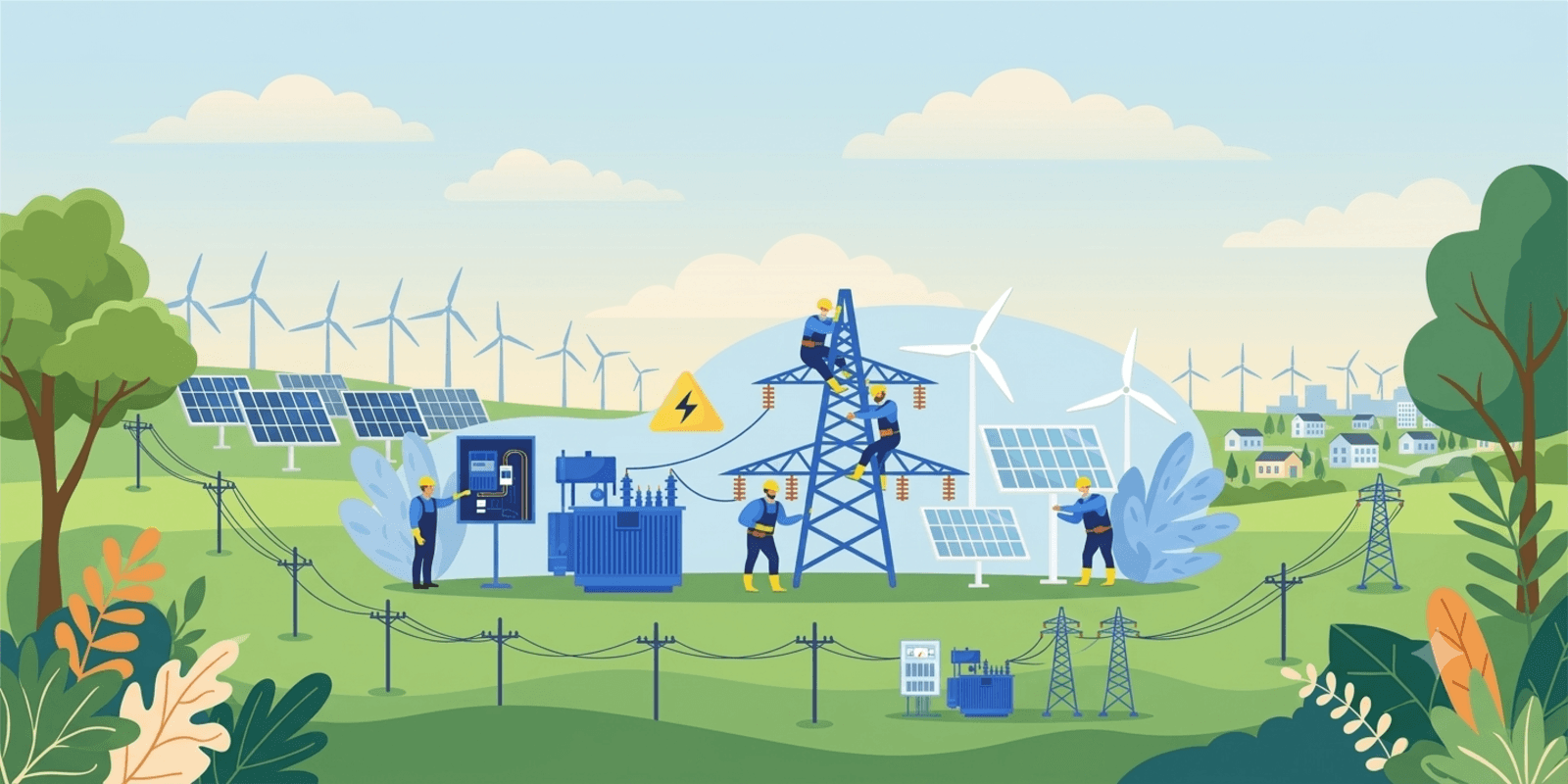
Cafés and restaurants use energy differently from many other small businesses. Refrigeration runs continuously, cooking equipment creates short periods of high demand, and hot water, extraction, lighting and heating may all operate for long hours.
A suitable business energy contract is important, but reducing waste can be just as valuable as finding a competitive rate.
Understand where the energy goes
The kitchen is often the main source of consumption. Ovens, grills, fryers, dishwashers, coffee machines and extraction systems can use significant electricity or gas. Refrigerators and freezers operate throughout the day and night, while heating and air conditioning keep customer areas comfortable.
Start by listing major equipment and its normal operating hours. Smart-meter data can show when total consumption rises, but staff knowledge helps explain what is happening at those times.
Compare trading hours with energy-use patterns. If electricity remains high long after closing, check refrigeration, lighting, hot-water systems, extraction and equipment left on standby.
Choose a contract using real consumption
When requesting a business energy quote, use recent annual consumption from a bill rather than a rough estimate. Hospitality usage can vary sharply by season, so one quiet month may not represent the full year.
Compare the unit rate, standing charge and estimated annual cost. A busy restaurant with high consumption may be affected strongly by the unit rate, while a small seasonal café should also pay close attention to the daily standing charge.
Check the contract length and end date. Ask whether the rates are fixed, whether any costs can change and whether broker commission or other fees are included.
Reduce waste without affecting service
Energy saving should support the customer experience, food safety and staff operations. Focus first on waste that provides no benefit.
Switch cooking equipment on according to preparation schedules rather than automatically at the start of every shift. Use lids on pans where appropriate, avoid running partially loaded dishwashers and keep refrigerator doors closed.
Clean filters, fans, condensers and extraction systems as recommended. Poor maintenance can make equipment work harder. Check fridge and freezer door seals and investigate ice build-up or unusual temperatures quickly.
Use LED lighting and separate controls for kitchens, storage areas, toilets, signage and customer spaces. Timers or occupancy sensors may suit areas that are not continuously used.
Heating and cooling should not compete with open doors or extraction systems. Review thermostat settings, draughts and operating schedules. Staff should know who is responsible for closing down equipment at the end of the day.
Use smart-meter data as a management tool
A smart meter can reduce estimated bills and provide more regular consumption information. Review data after changing opening hours, installing equipment or introducing an energy-saving process.
Set a normal overnight baseload and investigate unexpected increases. A rising baseload can reveal a faulty appliance, control problem or change in staff routines before it becomes a long-term cost.
Plan for growth and new equipment
Before buying new kitchen equipment, compare energy consumption as well as purchase price. Check whether the existing electricity supply, gas capacity or ventilation system can support it. Efficient equipment may cost more initially but reduce running costs over its working life.
Smart Pay Energy is designed to make business energy simpler for SMEs, including cafés and restaurants. A clear contract, accurate meter data and practical operating controls can help hospitality businesses understand their costs without compromising service.
Sources checked: GOV.UK: Business energy efficiency advice | GOV.UK: SME guide to energy efficiency | GOV.UK: Non-domestic smart metering
Business energy for shops and retail businesses
Primary keyword: business energy for shops
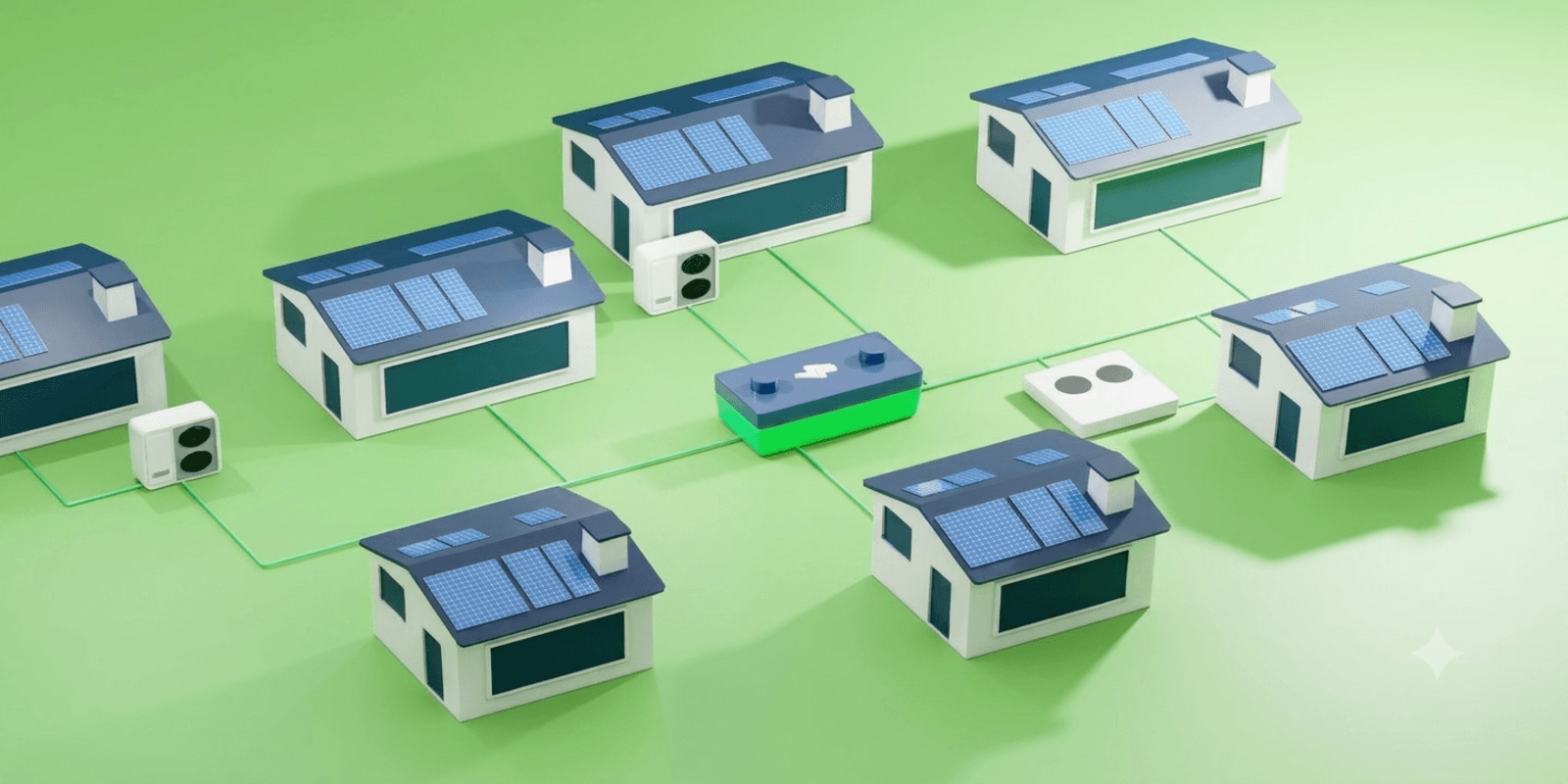
Retail energy use depends on the size of the shop, opening hours, product range and equipment on site. Lighting may operate throughout the trading day, heating or cooling keeps customers comfortable, and refrigeration, security systems, displays and stockroom equipment can run continuously.
The right approach combines a suitable business energy contract with simple controls that reduce unnecessary use.
Build a clear picture of consumption
Start with recent bills and annual kWh consumption. Compare usage across months and identify seasonal peaks. A clothing shop may use more heating and lighting during winter, while a food retailer may have a high, steady refrigeration load throughout the year.
Smart-meter data can show what happens during opening hours and when the shop is closed. Check the overnight baseload. Some consumption will be necessary for refrigeration, alarms, tills, servers or security lighting, but a high or rising baseload deserves investigation.
Compare business energy quotes correctly
A business energy quote should be based on the correct meter and realistic annual consumption. Check the MPAN for electricity and MPRN for gas against the current bill.
Compare unit rates and standing charges together. The unit rate matters more as consumption increases, while the standing charge can have a noticeable effect on a smaller or seasonal shop.
Review the estimated annual cost, contract term, payment method and any additional charges. Ask whether broker commission is included and whether all elements are fixed. Business energy contracts may not have a cooling-off period, so read the written terms before agreeing.
Make lighting work harder
Lighting is essential in retail, but it should support the display rather than waste energy. Replace inefficient lamps with suitable LEDs and divide the shop into controllable zones.
Window displays, stockrooms, staff areas and external signs may not need the same operating hours. Use timers or clear closing procedures. Clean fittings and use daylight where it improves the space without causing glare or overheating.
Do not reduce lighting in a way that affects safety, accessibility, security or how products are presented.
Control heating and cooling
Open doors can allow heated or cooled air to escape. Where practical, use door closers, air curtains or other measures that preserve customer access while reducing loss.
Check thermostat settings and operating schedules. Heating should not run at full output before staff arrive or long after closing unless the building or stock requires it. Avoid heating and cooling operating against each other.
Maintain filters and equipment so systems do not work harder than necessary. Sudden increases in consumption can indicate a control or maintenance problem.
Review refrigeration and equipment
Food retailers should check door seals, temperatures, condenser cleanliness and defrost settings. Refrigerated displays should not be blocked or overfilled in a way that restricts airflow. Any change must continue to meet food-safety requirements.
Tills, screens, chargers, printers and office equipment should be shut down or placed into suitable energy-saving modes when not required. Create a closing checklist so responsibility is clear.
Keep the contract under review
Record the contract end date and begin reviewing options before it expires. If the shop moves premises or takes over a new unit, contact the existing supplier promptly and arrange a contract to avoid remaining on deemed rates longer than necessary.
Smart Pay Energy offers SMEs a direct and digital way to arrange business energy. For shops, the biggest improvement often comes from combining transparent rates with better visibility and consistent daily controls.
Sources checked: GOV.UK: Business energy efficiency advice | Ofgem: Set up a business energy contract | Ofgem: Moving business premises
Business energy for salons and barbers
Primary keyword: business energy for salons
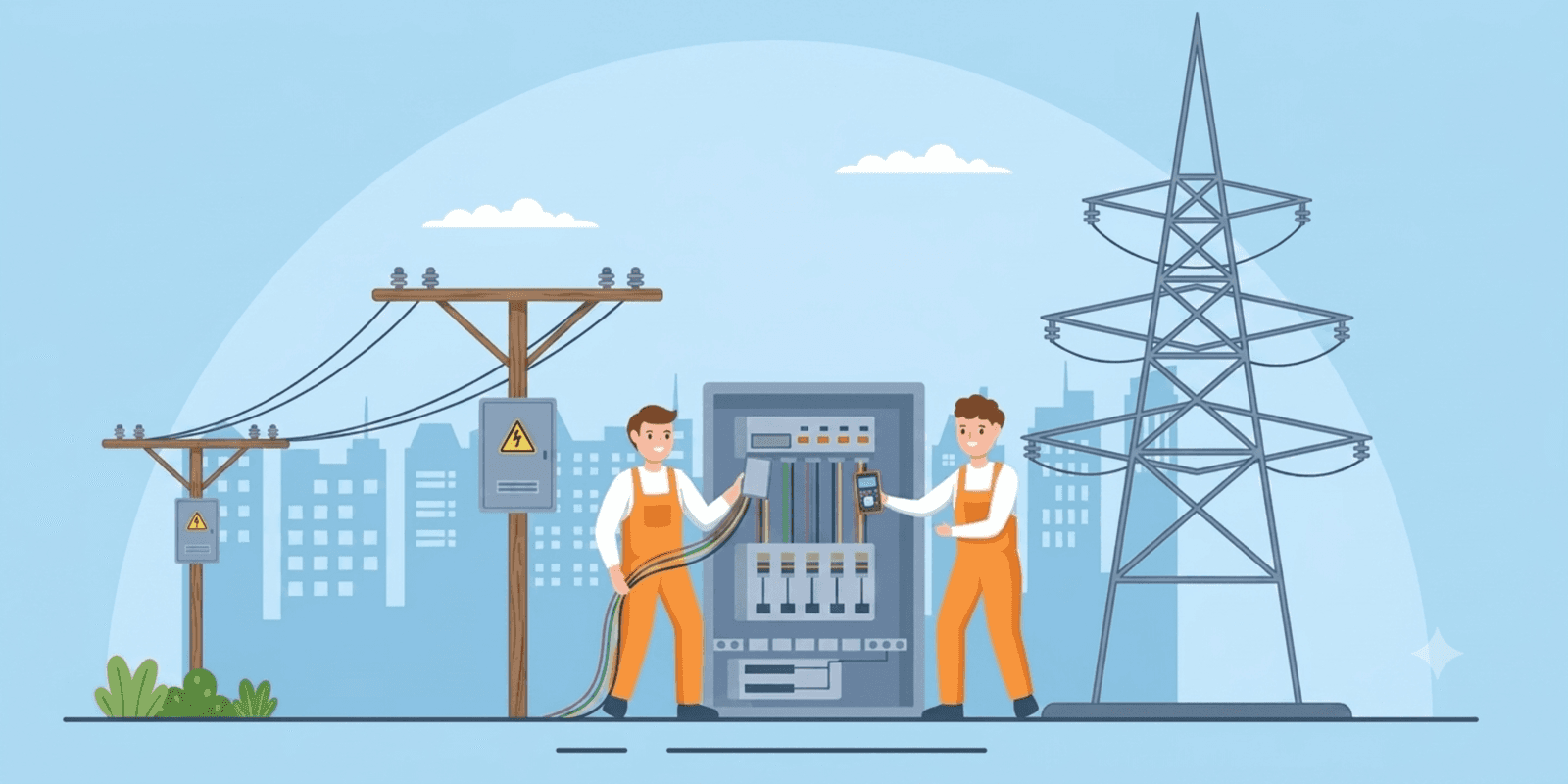
Salons and barbers may be small premises, but they can have concentrated periods of energy use. Hairdryers, water heaters, washing machines, lighting, heating, air conditioning and beauty equipment can all operate at the same time.
Understanding when energy is used helps the business choose a suitable contract and reduce waste without affecting the customer experience.
Identify the main loads
Hairdryers and heated styling tools use electricity in short bursts. Hot-water systems can run for longer periods to support washing and cleaning. Beauty salons may also use treatment beds, steamers, nail equipment, sterilisation devices or ventilation.
Lighting is particularly important because it affects colour, detail and the appearance of the salon. Energy saving should not reduce the quality of light needed by staff.
Review each item of equipment, its power rating and typical operating time. Smart-meter information can show the overall pattern, while staff can explain which services or routines create the peaks.
Use accurate figures when getting a quote
Find the annual consumption, contract end date and meter reference on the latest bill. Use these figures when requesting a business energy quote.
Compare the unit rate, standing charge and total estimated annual cost. A small salon with moderate consumption may find that the standing charge makes up a noticeable part of the bill. A busy site with extended hours may be more sensitive to the unit rate.
Check the length of the contract, payment method and whether any costs can change. Ask if the quote includes a broker fee, commission or other service charge. Read the written terms before agreeing.
Manage hot water carefully
Hot water must remain available at the right temperature for hygiene and customer services. However, heating too much water for too long wastes energy.
Check timers, temperature controls and insulation on tanks and accessible pipes. Repair dripping taps and report faults quickly. Where appropriate, match heating schedules to opening hours while maintaining all hygiene, health and safety requirements.
If demand has changed because the salon is busier, quieter or offering different services, the existing settings may no longer be suitable.
Improve lighting efficiently
Use high-quality LED lighting with the correct colour rendering for salon work. Divide front-of-house, treatment rooms, stock areas, staff rooms and signage into separate zones where possible.
Switch off lights in unused rooms and use occupancy sensors only where they will not inconvenience customers or interrupt treatments. Make the closing procedure clear so decorative, display and external lighting does not remain on unnecessarily.
Maintain equipment and controls
Clean air-conditioning filters and maintain heating systems. A blocked filter or faulty thermostat can increase consumption and reduce comfort.
Switch styling tools off safely when they are not needed. Use automatic shut-off features where available and appropriate. Avoid leaving towel warmers, chargers or specialist equipment running outside service times unless required by the manufacturer.
When replacing equipment, consider running costs and energy efficiency as well as the purchase price. Confirm that new devices are suitable for the electrical supply and working environment.
Watch the overnight baseload
Review how much electricity the salon uses when closed. Some equipment, alarms, refrigeration or IT may need to remain on. Everything else should be questioned. A sudden increase may indicate a timer change, faulty water heater or equipment left operating.
Smart Pay Energy helps SMEs approach business energy directly and clearly. For salons and barbers, accurate billing, useful consumption data and simple staff routines can reduce waste while keeping the premises welcoming and professional.
Sources checked: GOV.UK: Business energy efficiency advice | GOV.UK: SME guide to energy efficiency | GOV.UK: Non-domestic smart metering
Business energy FAQs for small businesses
Primary keyword: business energy FAQs
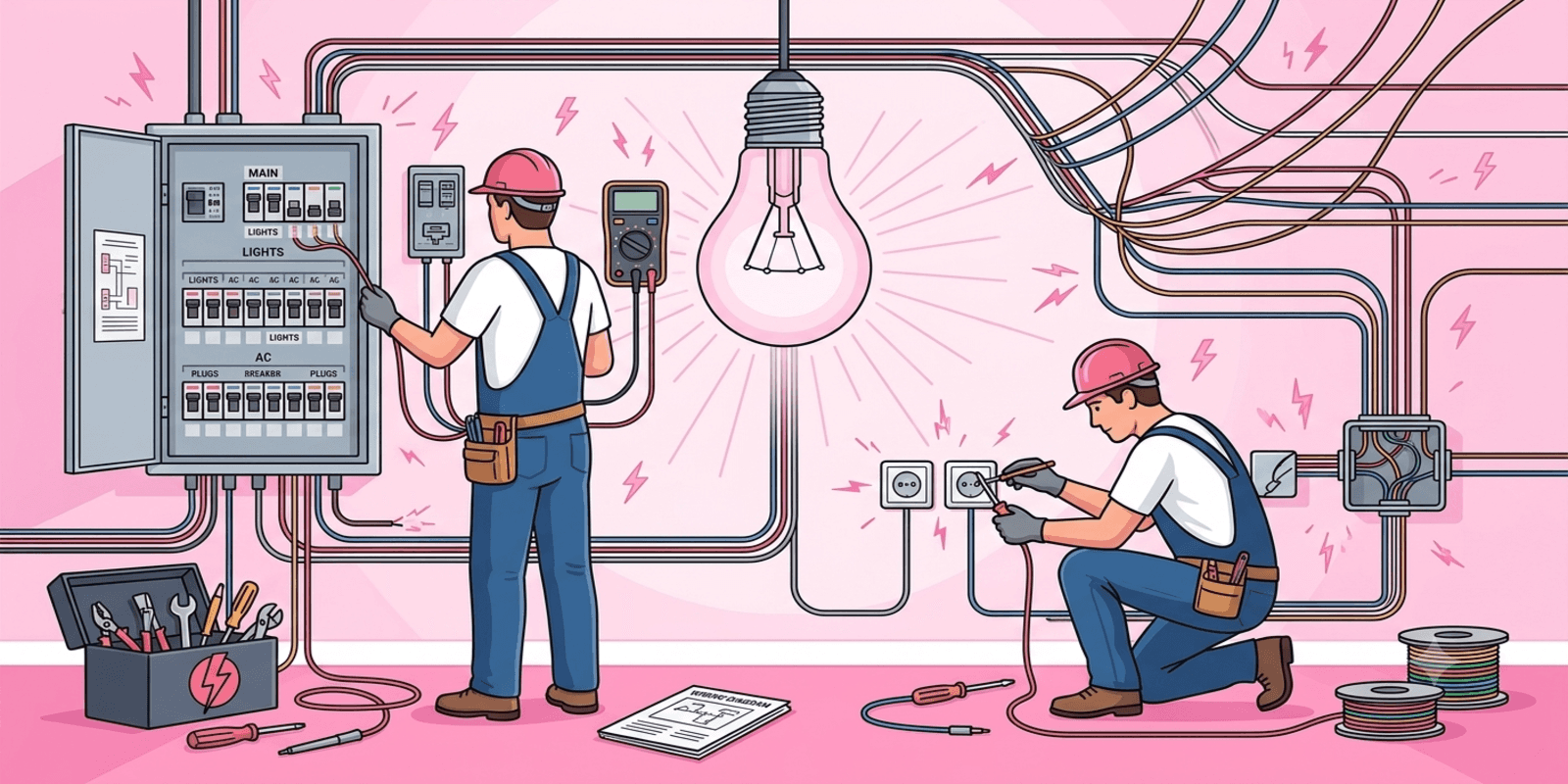
Business energy can feel complicated because contracts, meters and billing work differently from household energy. These answers cover some of the questions small businesses ask most often.
Do I need a business energy contract?
A commercial premises normally needs a business energy contract for the gas or electricity it uses. Someone working from home will often remain on a domestic tariff, depending on how the property and energy use are arranged.
Ofgem defines a microbusiness using employee, financial or consumption thresholds. Microbusinesses receive some additional protections, but they still enter business energy contracts.
Is business energy covered by the household price cap?
No. A non-domestic energy contract is not protected by the household energy price cap. Business prices are agreed commercially and vary according to factors such as consumption, meter type, location, credit position, contract length and market conditions.
What is a unit rate?
The unit rate is the amount paid for each kilowatt hour, or kWh, of gas or electricity used. It is multiplied by the recorded consumption to calculate the main energy charge.
What is a standing charge?
The standing charge is a fixed daily cost that may apply even when the site uses no energy. It contributes towards costs associated with maintaining the supply and energy system. Always compare the standing charge and unit rate together.
What are an MPAN and MPRN?
An MPAN identifies an electricity supply point. An MPRN identifies a gas supply point. They can usually be found on the relevant bill and are used when quoting, switching or resolving account problems.
Can I switch supplier at any time?
You can normally arrange a future contract before the current one ends, but the new supply should start in line with the existing agreement. Check the contract end date, notice requirements and any termination charges.
A supplier may object to a switch if the account is in debt or the site is still under contract, depending on the circumstances and terms.
Will my energy be disconnected during a switch?
A normal supplier switch should not interrupt the physical energy supply. The pipes, wires and meter remain in place. The company responsible for supplying and billing the energy changes.
What is an out-of-contract rate?
An out-of-contract rate can apply after a fixed contract ends if the business has not agreed a new deal. The rate may be higher and can change according to the supplier's terms.
What is a deemed contract?
A deemed contract commonly applies when a business moves into premises and uses energy before agreeing a contract with the existing supplier. Contact the supplier promptly, provide opening readings and arrange a suitable agreement.
Do business contracts have a cooling-off period?
Do not assume they do. Business energy contracts may be binding when agreed, including agreements made by phone. Ask for written terms and check all details before accepting.
Will a smart meter save money?
A smart meter does not reduce prices automatically. It can send readings remotely, reduce estimated billing and provide more detailed usage data. Savings depend on the business using that information to identify waste and improve controls.
How can I compare quotes?
Use the same annual consumption for every quote. Compare unit rates, standing charges, estimated annual costs, contract length, payment terms and charges that may change. Ask whether broker commission or fees are included.
What should I do if a bill looks wrong?
Check the meter serial number, readings, billing dates, rates, previous balance and payments. Contact the supplier with evidence such as a current meter photograph and contract copy. Keep a written record of the complaint.
Smart Pay Energy aims to remove unnecessary complexity from business energy. Clear contract information, a direct supplier relationship and useful digital account tools can help SMEs make more informed decisions.
Sources checked: Ofgem: Get energy for your business | Ofgem: Set up a business energy contract | Ofgem: Moving business premises
Unit rate vs standing charge: business energy explained
Primary keyword: unit rate vs standing charge business energy
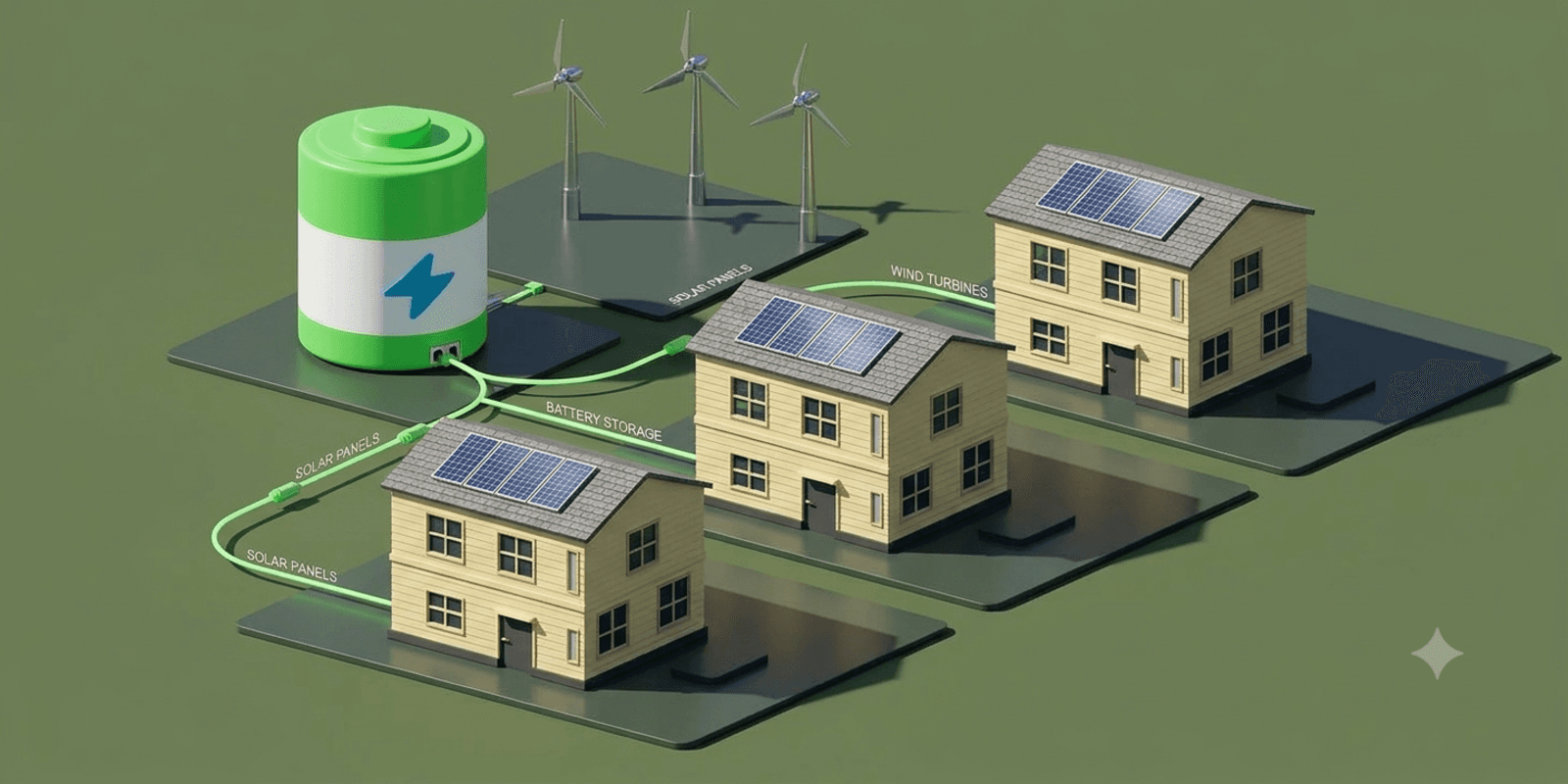
The unit rate and standing charge are two of the most important figures in a business energy quote. Looking at only one can give the wrong impression about which contract will cost less.
What is the unit rate?
The unit rate is the price charged for each kilowatt hour of gas or electricity used. Kilowatt hours are shown as kWh on the bill.
If a business uses 20,000 kWh of electricity and the unit rate is 25 pence per kWh, the energy element would be £5,000 before standing charges, taxes and any other applicable costs.
The unit rate has a greater impact as consumption increases. A small difference per kWh may become significant for a restaurant, workshop or retailer with high annual usage.
What is the standing charge?
The standing charge is a fixed daily amount. It may be payable every day of the contract, including days when the premises is closed or uses no energy.
If the standing charge is £1 a day, it adds approximately £365 over a full year. A site with both gas and electricity may have a separate standing charge for each supply.
Standing charges can contribute towards costs connected with maintaining the supply, metering and the wider energy network. The exact structure depends on the contract.
Which figure matters most?
Both matter, but the balance depends on consumption.
A low-usage office or seasonal shop may be more sensitive to the standing charge because the fixed cost is spread over fewer units. A high-usage restaurant or manufacturing site may be affected more by the unit rate because it buys many more kWh.
Consider two electricity quotes. One has a lower unit rate but a higher daily standing charge. The other has a higher unit rate but lower standing charge. Without using the business's annual consumption, it is impossible to know which has the lower total cost.
Calculate the estimated annual cost
Use this simple structure:
Annual energy cost = annual kWh multiplied by unit rate, plus daily standing charge multiplied by the number of contract days.
Then add VAT, the Climate Change Levy and any other charges that apply. Suppliers may present some costs separately or include them within the rate, so check the quote format.
For multi-rate meters, calculate each time period separately. Day and night consumption should be matched with the correct rate.
Check what can change
A contract described as fixed may fix the unit rate while allowing certain regulated, network or third-party costs to change. Ask the supplier which elements are fixed and which are pass-through charges.
Also check whether the rates include broker commission. A small commission uplift applied to every kWh can increase the total over a long contract.
Avoid comparing unlike quotes
Use the same annual consumption, start date and contract length when comparing offers. Confirm whether the prices include VAT and whether the estimated annual cost covers every known charge.
Do not compare a one-year contract and a three-year contract only by looking at the current unit rate. The longer agreement provides price certainty for more time but also commits the business for longer.
The best business energy offer is not automatically the one with the lowest unit rate or standing charge. It is the one with a suitable total cost and clear terms for the way the business actually uses energy.
Smart Pay Energy is built around making these costs easier for SMEs to understand. A clear quote should show the rates, term and expected annual cost before the customer agrees.
Sources checked: Ofgem: Get energy for your business | Ofgem: Energy terms explained | Ofgem: Managing business energy costs
How smart meters help reduce estimated business energy bills
Primary keyword: estimated business energy bills
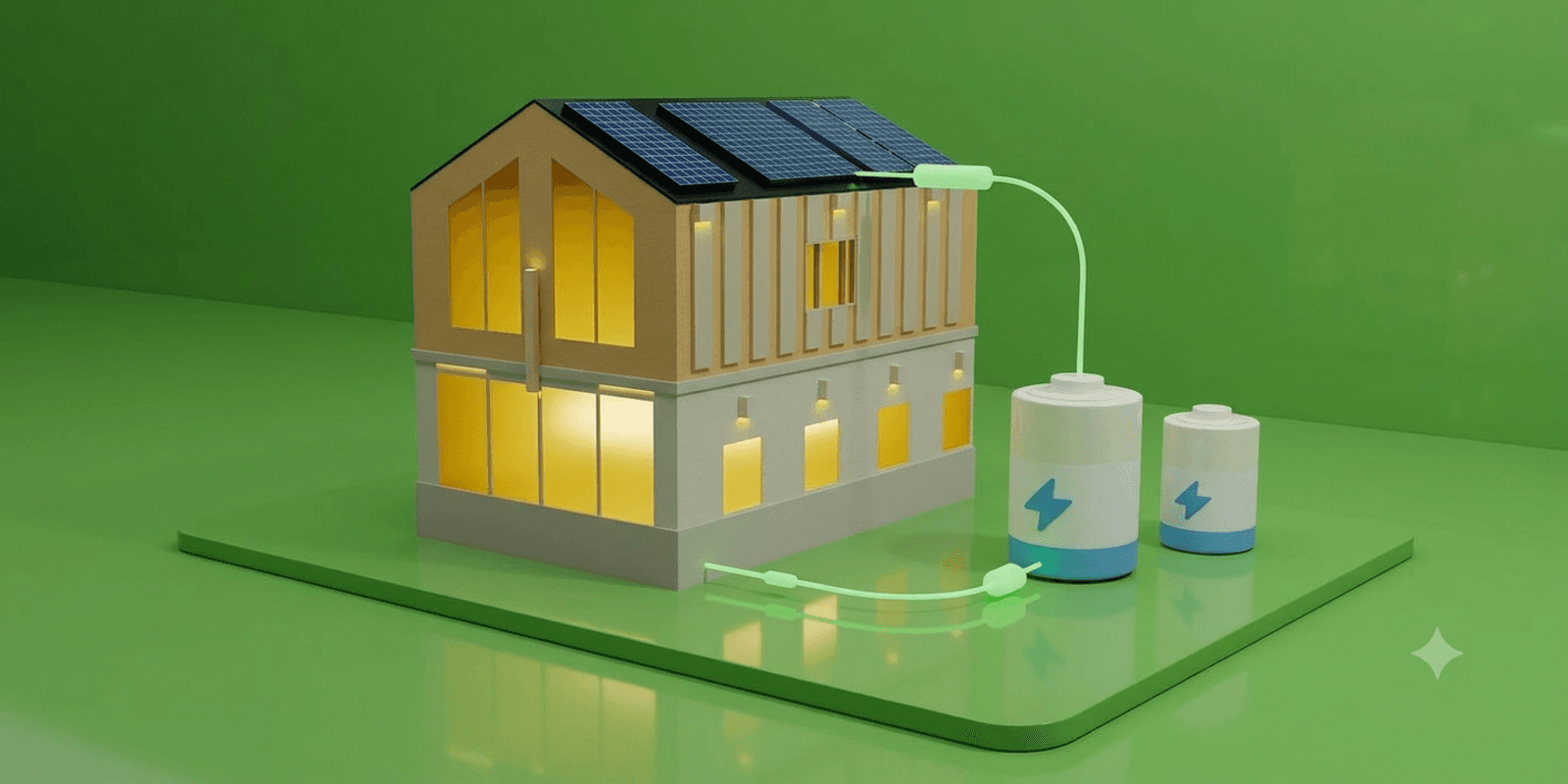
Estimated business energy bills are created when a supplier does not have a reliable meter reading for the billing period. The supplier uses previous consumption or another calculation to estimate how much energy the site has used.
An estimate can be close, but it can also be too high or too low. Smart meters help by sending readings automatically, giving the supplier more regular information about actual consumption.
Why estimated bills happen
A traditional meter needs someone to read it. If the business does not submit a reading and the supplier cannot obtain one, an estimate may be used.
Estimates can also occur when a smart or advanced meter is not communicating correctly, when account information is being updated or when there is a problem linking the meter to the supplier's billing system.
A bill should show whether a reading is actual, customer-provided or estimated. Check this every month rather than assuming the amount is based on recorded use.
The problem with repeated estimates
If estimates are too high, the business may pay more than necessary and build up a credit. If they are too low, the account may appear affordable until an accurate reading creates a catch-up bill.
Repeated estimates also make it harder to understand whether energy-saving work has been successful. A business cannot confidently compare consumption if the figures are based on assumptions.
Seasonal businesses are particularly vulnerable to inaccurate estimates. A café in a visitor location, an air-conditioned shop or a business with winter heating demand may use very different amounts across the year.
How a smart meter helps
A communicating smart meter sends usage readings remotely. This reduces the need for staff to access the meter and submit the number manually.
More regular data gives the supplier a better basis for billing. Depending on the type of meter and service, the business may also have access to daily or half-hourly usage information.
This can show when energy is used, not only how much is used across the whole month. The business may identify an unusually high overnight baseload, a heating system starting too early or equipment remaining on after closing.
A smart meter does not remove every problem
Smart meters can stop communicating because of signal, equipment or account issues. The meter may still record energy correctly even if the data is not reaching the supplier.
Check that bills continue to show current readings after installation. If estimates return, compare the bill with the physical meter and contact the supplier. You may need to provide manual readings temporarily.
Do not ignore a communication issue because the monthly payment appears unchanged. A correction could be applied later.
What businesses should do after installation
Record the meter serial number and installation date. Ask the supplier how often readings will be collected and where the business can see its usage data.
Check the first few bills against the meter and contract rates. Make sure the opening reading is correct, particularly if the smart-meter installation happens close to a supplier switch.
Use the data actively. Set a normal level for closed hours, compare similar trading periods and investigate changes promptly. The meter provides information; the business still decides how to respond.
Smart Pay Energy uses a digital-first approach to help SMEs manage their energy more clearly. Where a suitable smart meter is available and communicating, accurate readings can reduce estimated bills and give the business a better view of its real consumption.
Sources checked: GOV.UK: Non-domestic smart metering | GOV.UK: Smart meters for smaller organisations | Ofgem: Get a smart meter
Out of contract business energy rates explained
Primary keyword: out of contract business energy rates
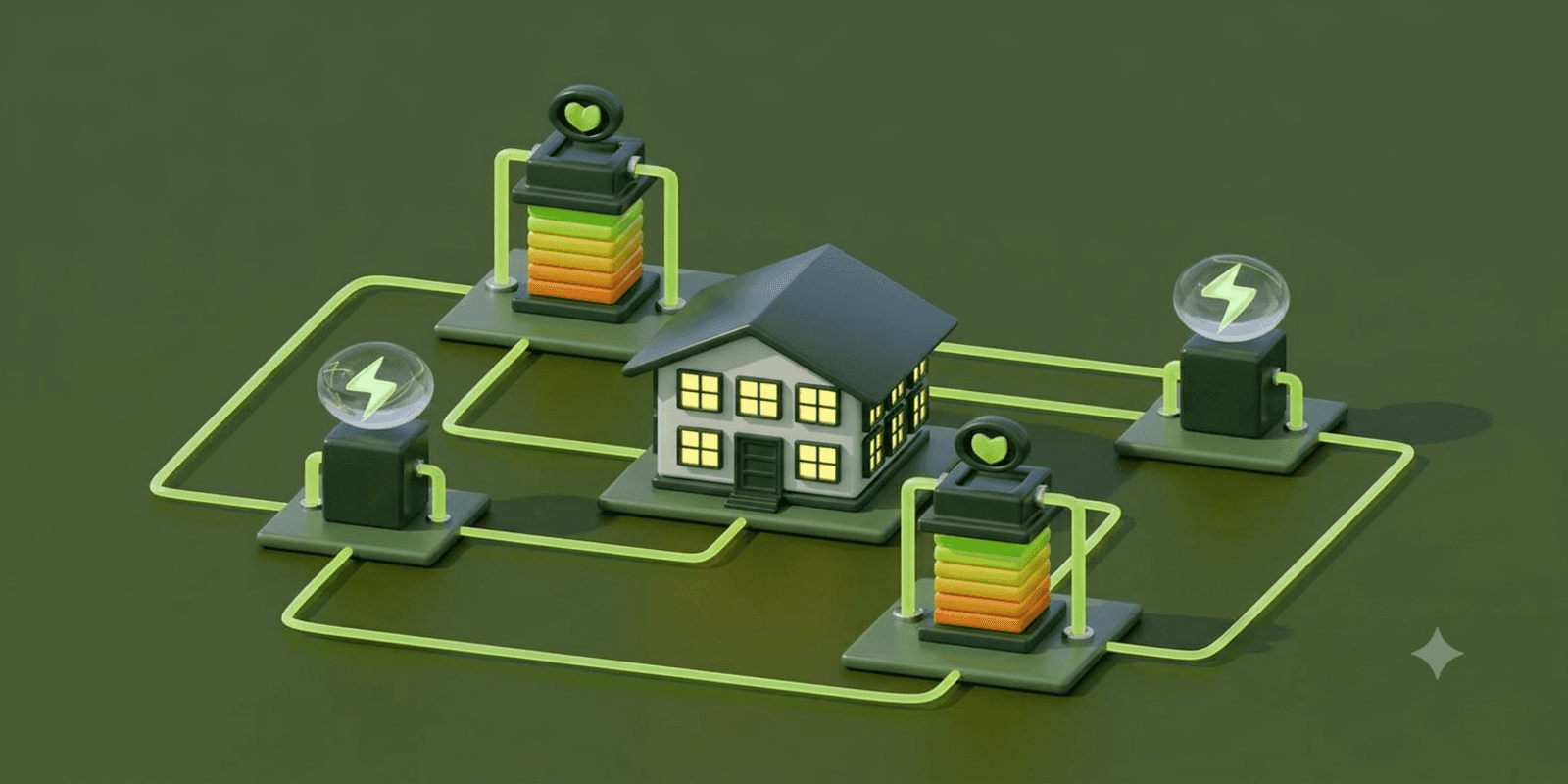
An out-of-contract business energy rate can apply when a fixed-term contract ends and the business has not agreed a new contract. It allows the site to continue receiving energy, but the price may be higher and less predictable than a negotiated deal.
What happens when a contract ends?
The answer depends on the existing contract. It should explain what happens if no new agreement is in place by the end date.
Some suppliers move the account to an out-of-contract tariff. The rates may be variable and can change after notice under the supplier's terms. Other contracts may include a renewal or rollover arrangement.
Check the contract and renewal communication rather than assuming the supply will continue on the same price.
Out-of-contract and deemed rates are not identical
The terms are sometimes used together, but they usually describe different situations.
An out-of-contract rate generally applies after an agreed contract has expired. A deemed contract commonly applies when a business starts using energy at premises without agreeing a contract, such as after moving into a new unit.
Both can be more expensive than a negotiated contract, although this is not guaranteed in every market condition. Ofgem noted in March 2026 that, during periods of uncertainty, a business should compare the available options rather than assuming a longer fixed contract is automatically better.
Why rates can be higher
A supplier buying energy for a fixed contract can plan around the agreed term and expected consumption. Out-of-contract supply is less certain. The price may reflect wholesale energy, network costs, environmental costs, operating costs and commercial risk.
Business contracts are not protected by the household energy price cap. The supplier sets the non-domestic rates within the relevant rules and contract terms.
How to tell if you are out of contract
Check the latest bill for the tariff name, unit rate, standing charge and contract end date. Compare the current rates with the original agreement.
A sudden increase after the end date is a warning sign. Contact the supplier and ask for written confirmation of the account status, current rates and any notice needed to leave.
Make sure the bill is not high for another reason, such as a catch-up reading, added consumption or an unpaid balance.
Can you leave an out-of-contract tariff?
Out-of-contract arrangements are often more flexible than fixed contracts, but you must check the supplier's terms. Ask whether notice is required, whether there are outstanding charges and how quickly a new contract or switch can start.
If the account is in debt, the supplier may be able to object to a transfer in certain circumstances. Resolve billing disputes and valid balances promptly.
How to avoid out-of-contract rates
Record the contract end date when the agreement begins. Add reminders several months and several weeks before expiry. Keep contact details up to date so renewal information reaches the right person.
Gather annual consumption, MPAN or MPRN details and recent bills before comparing quotes. Review the unit rate, standing charge, estimated annual cost, contract length and any commission.
Do not rush into a long contract only to escape an out-of-contract rate. Compare the temporary cost with the terms available and consider how much price certainty the business needs.
Smart Pay Energy provides SMEs with a direct route to review business energy options. The key is to act before the current contract ends, understand the full written offer and avoid allowing energy renewal to become an emergency.
Sources checked: Ofgem: Set up a business energy contract | Ofgem: Guidance on deemed contracts | Ofgem: Managing business energy costs
Business gas and electricity: what SMEs need to know
Primary keyword: business gas and electricity
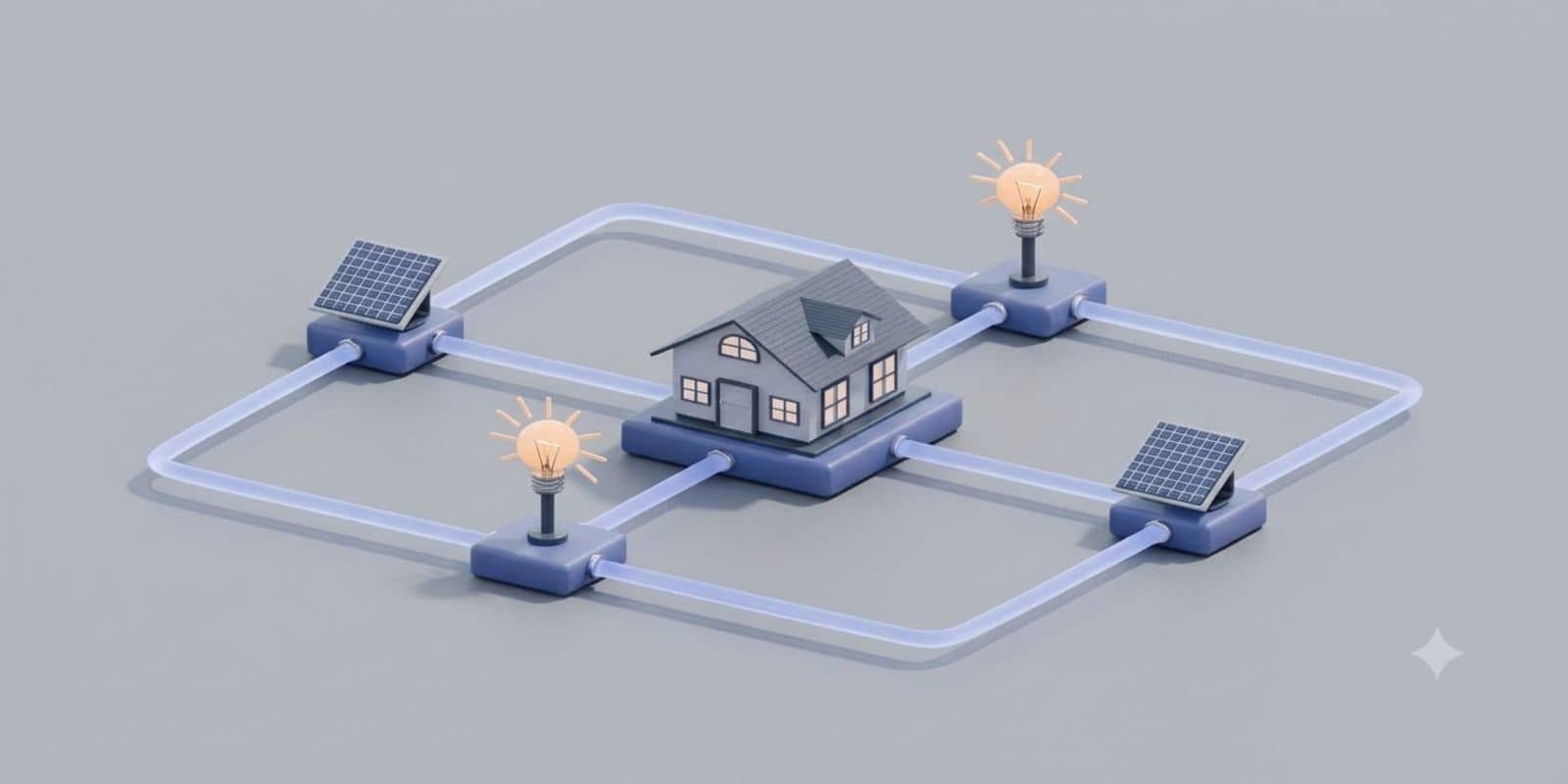
Most commercial premises need a business energy contract for the electricity or gas they use. The two fuels are billed separately, may have different suppliers and use different meter reference numbers.
Understanding the basics helps an SME compare quotes, check bills and manage each supply correctly.
Electricity and gas have different roles
Electricity powers lighting, IT, refrigeration, machinery, air conditioning and many types of equipment. Gas is commonly used for space heating, hot water, cooking and some industrial processes.
A business may use only electricity, only gas or both. The pattern depends on the premises and operations. An all-electric salon will have a different demand profile from a restaurant using gas cooking and electric refrigeration.
Know the supply reference numbers
The electricity supply is identified by an MPAN. The gas supply uses an MPRN. These numbers normally appear on the relevant bill.
They identify the supply point, not simply the customer account. Use the correct reference when requesting a quote, switching supplier or reporting a problem.
The physical meter also has a serial number. Check that the serial number on the bill matches the meter at the premises.
Understand how the bill is calculated
The main usage charge is based on kilowatt hours, shown as kWh. The unit rate is multiplied by the amount used. A standing charge may also apply each day.
Electricity and gas will have different unit rates and standing charges. Do not compare them directly without considering how each fuel is used. Gas often has a lower price per kWh, but that does not mean the total gas bill will be lower.
Business bills can also include VAT, the Climate Change Levy and other costs. Ask the supplier to explain any item that is unclear.
Contracts may end at different times
Gas and electricity contracts do not always share the same supplier, start date or end date. Record both sets of information.
Aligning contracts can make administration simpler, but it is not always the most suitable commercial choice. Compare the individual offers and understand any effect of changing dates or terminating early.
Business contracts may not include a cooling-off period. Read the written terms before agreeing by phone or online.
Smart and advanced meters
A smart or advanced meter can send readings remotely and provide more frequent usage data. This can reduce estimated billing and help the business understand when energy is being used.
The meter types available for gas and electricity can differ. Eligibility and installation depend on the site, meter profile and supplier arrangements. Ask how data will be provided and whether any charges apply.
Reduce the amount used
Review heating, hot water, lighting, refrigeration and major equipment. Match operating times to business hours where it is safe and practical. Maintain systems so they do not work harder than necessary.
Gas savings often begin with heating controls, insulation, boiler maintenance and hot-water schedules. Electricity savings may come from LEDs, equipment shutdown, refrigeration maintenance and avoiding unnecessary overnight use.
Smart-meter data can help verify whether a change has reduced consumption.
Plan before moving premises
When moving into a commercial property, take opening meter readings and contact the existing suppliers. If energy is used before a contract is agreed, a deemed contract may apply.
When leaving, provide final readings, the move date and a forwarding address. Keep photographs and written confirmation.
Smart Pay Energy helps SMEs deal with business gas and electricity more directly. Clear rates, accurate meter information and a simple digital journey make it easier to keep two essential supplies under control.
Sources checked: Ofgem: Get energy for your business | Ofgem: Moving business premises | GOV.UK: Non-domestic smart metering
How to avoid overpaying for business energy
Primary keyword: avoid overpaying for business energy
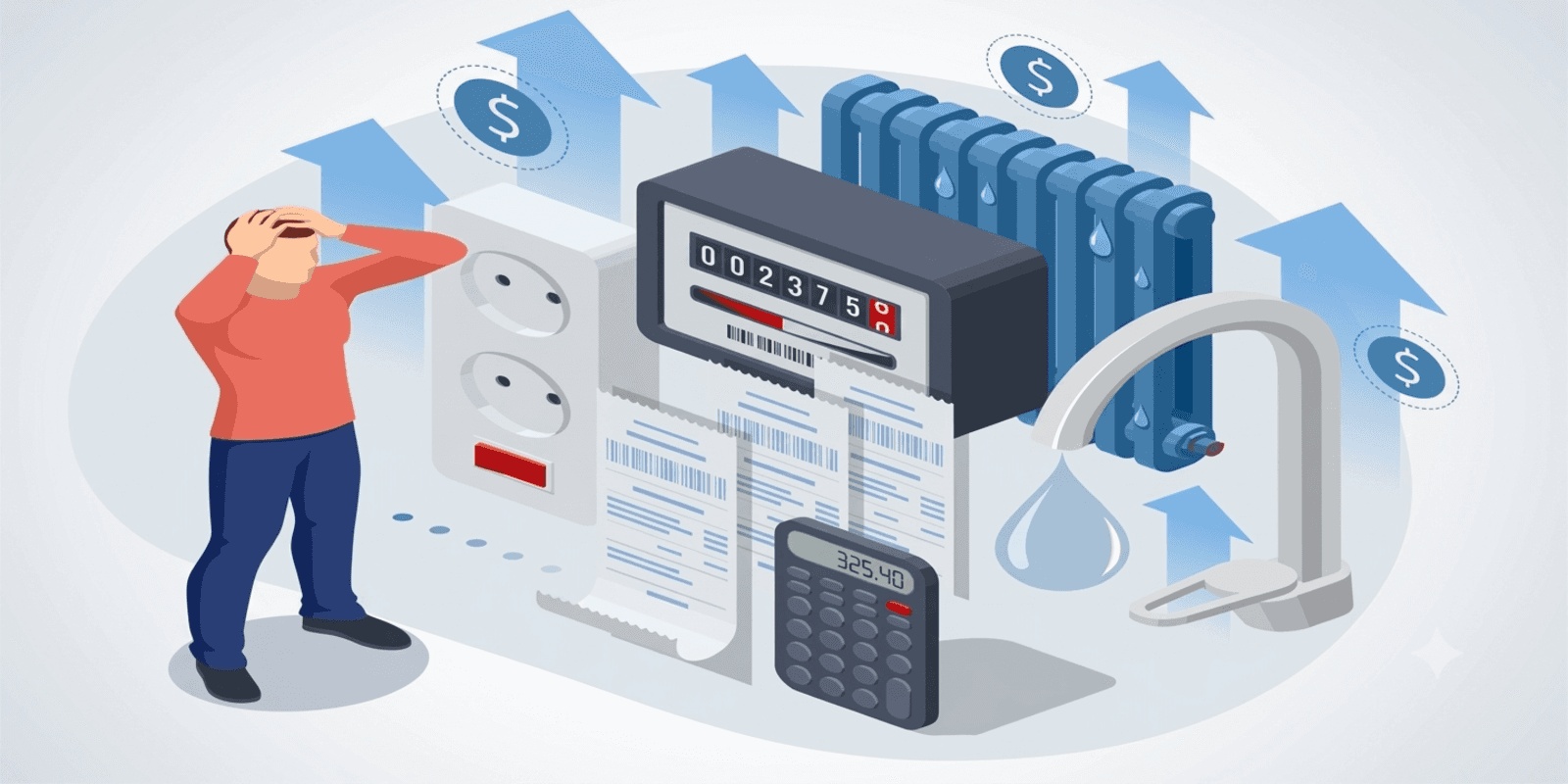
Avoiding overpayment is not only about finding a lower unit rate. A business can pay too much because it is on the wrong contract, uses more energy than necessary, receives inaccurate bills or agrees charges it does not fully understand.
A regular, simple review can reduce these risks.
Know when the contract ends
Record the end date and notice requirements for every gas and electricity contract. Start reviewing the account before expiry.
If a contract ends without a replacement, the site may move to an out-of-contract rate. If a business moves into premises without arranging supply, a deemed contract may apply. These arrangements can be more expensive and less predictable than a negotiated deal.
Keep supplier contact details up to date so renewal information reaches the right person.
Compare the full quote
Use accurate annual kWh consumption. Compare the unit rate, standing charge, estimated annual cost, contract length and payment terms.
Ask which costs are fixed and which can change. Check whether VAT, the Climate Change Levy, network-related costs and other charges are included or shown separately.
If a broker or comparison service is involved, ask how it is paid and what the total fee or commission will be. Dealing directly with a supplier may remove broker commission, but it does not automatically guarantee the lowest total price. Compare written offers on the same basis.
Check every bill
Confirm the supply address, MPAN or MPRN, meter serial number, billing dates and readings. Make sure the rates match the contract.
Look at whether the reading is actual or estimated. Repeated low estimates can produce a future catch-up bill, while high estimates can cause the business to pay too much in advance.
Submit readings regularly or use a communicating smart meter where suitable. Keep photographs when a contract starts, ends or the business changes premises.
Monitor consumption, not only cost
A higher bill may be caused by more kWh rather than a higher price. Compare consumption with the same period last year and with normal trading activity.
Use smart-meter or half-hourly data to check overnight and weekend baseload. Investigate equipment operating outside business hours, faulty controls, heating and cooling working against each other, refrigeration problems and changes in staff routines.
Set a simple monthly benchmark. Record total kWh, sales or activity level and any operational changes. This helps explain whether an increase is expected.
Maintain equipment
Dirty filters, damaged seals, poorly controlled heating and inefficient lighting can increase consumption. Follow maintenance schedules and repair faults quickly.
When replacing equipment, consider lifetime running cost as well as purchase price. An efficient fridge, boiler, motor or air-conditioning system may reduce costs over several years.
Control who can agree contracts
Energy contracts can be agreed by phone or digitally and may not have a cooling-off period. Limit authority to named people within the business.
Ask for the offer in writing. Verify unexpected callers and do not agree because of pressure or a short deadline. Check the supplier, rates, term, meter details and total estimated cost before accepting.
Challenge mistakes promptly
Contact the supplier when readings, rates or charges do not match your records. Provide specific evidence and keep a written complaint trail.
Smart Pay Energy is designed to help SMEs avoid unnecessary complexity and broker layers. Transparent contract information, accurate billing and useful energy data provide a stronger foundation for controlling costs, but the business should still review its contract and consumption regularly.
Sources checked: Ofgem: Managing business energy costs | Ofgem: Third-party intermediaries | GOV.UK: Business energy efficiency advice
Energy saving checklist for small businesses
Primary keyword: energy saving checklist for small businesses
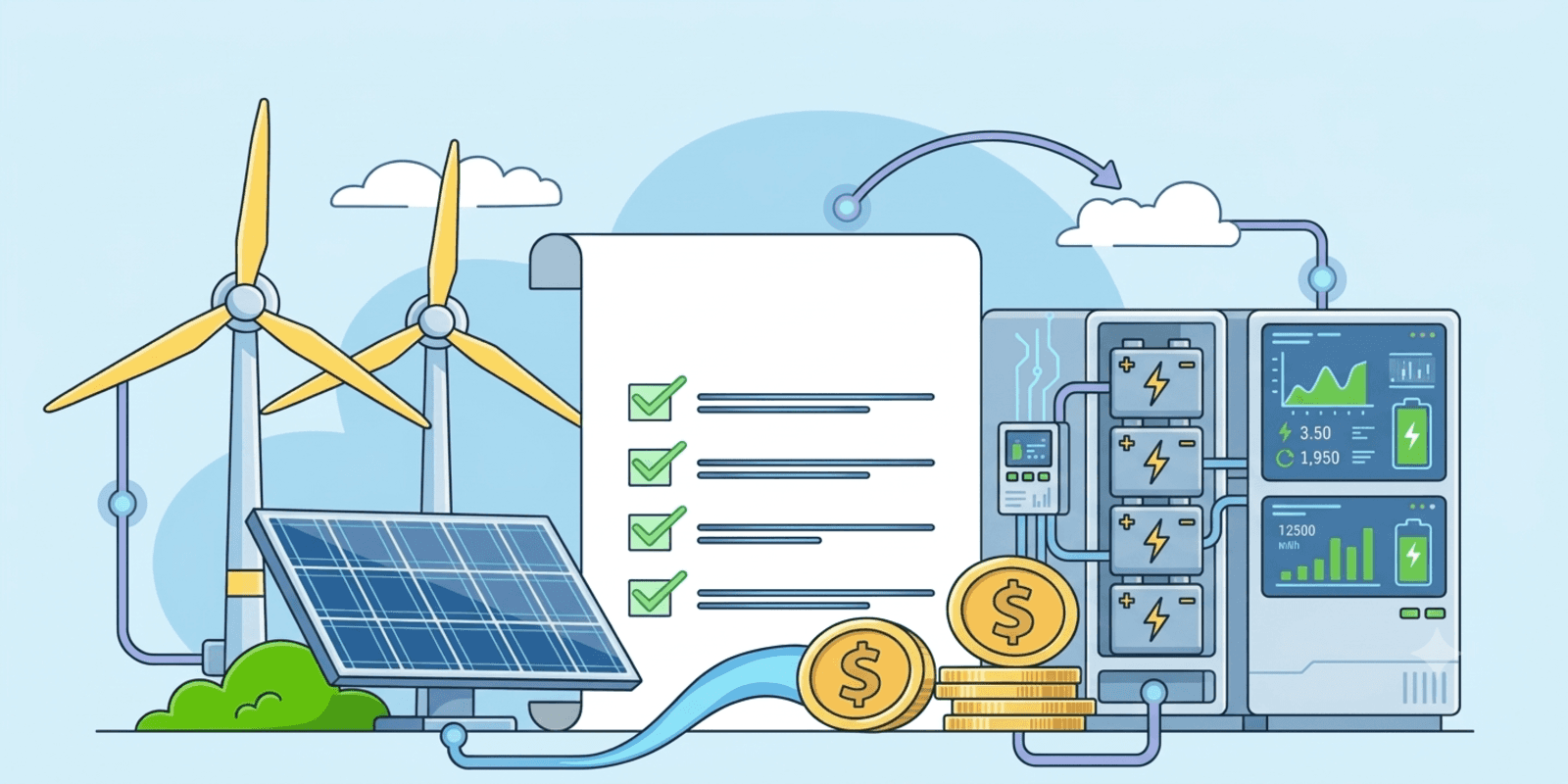
Small businesses can often reduce energy waste without a major refurbishment. The best starting point is a consistent checklist covering bills, controls, staff routines and equipment.
Use the actions below as a monthly review and assign responsibility to a named person.
Check the bills and contract
Confirm that each bill uses the correct supply address, meter serial number and contract rates.
Check whether readings are actual or estimated. Submit a current reading when necessary and keep a photograph.
Record the gas and electricity contract end dates. Start reviewing options before expiry to reduce the risk of out-of-contract rates.
Compare quotes using annual kWh, unit rates, standing charges and total estimated cost. Ask whether broker commission or other fees are included.
Review smart-meter data
Check daily or half-hourly data where available. Compare trading hours with closed periods.
Set a normal overnight and weekend baseload. Investigate increases rather than allowing them to become the new normal.
Compare similar weeks and note changes in weather, opening hours, production or customer numbers.
Lighting
Replace failed lamps with suitable LEDs and plan a wider upgrade where it is cost-effective.
Switch off lights in empty rooms, stock areas and staff spaces. Use timers or occupancy sensors where they are safe and practical.
Separate window displays, signage and external lighting from the main shop or office controls.
Heating and cooling
Set appropriate temperatures and prevent unauthorised adjustments.
Match operating times to occupancy. Avoid heating or cooling the building for long periods before staff arrive or after they leave unless necessary.
Check doors, windows and draughts. Do not allow heating and air conditioning to operate against each other.
Clean filters and maintain boilers, heat pumps and air-conditioning equipment according to manufacturer guidance.
Hot water
Repair dripping taps and leaks quickly.
Review water-heating schedules and temperature settings while maintaining hygiene and safety requirements.
Insulate suitable hot-water tanks and accessible pipework where appropriate.
Equipment and IT
Switch off computers, monitors, printers, chargers and small appliances when they are not required.
Check kitchen, refrigeration, salon, workshop and production equipment for unnecessary idle time.
Maintain fridge seals, condensers, motors, fans and compressed-air systems. A fault can increase consumption before equipment fails completely.
Staff routines
Create opening and closing checklists. Make responsibility clear for lighting, heating, extraction, hot water and specialist equipment.
Premises and purchasing
Before taking a new commercial property, ask for recent energy information and check the meter setup.
Look for grants, loans or local schemes that may support energy-efficiency improvements. Availability changes, so use official sources and check eligibility before committing to work.
Review the results
Record monthly kWh and compare it with business activity. A lower bill does not always mean lower consumption if prices have changed, and a higher bill does not always mean efficiency has worsened. Repeat the checklist each quarter and update it as operations change.
Smart Pay Energy gives SMEs a clearer, more direct way to manage business energy. A competitive contract matters, but the strongest savings plan combines accurate billing with regular attention to how the premises actually uses energy.
Sources checked: GOV.UK: Business energy efficiency advice | GOV.UK: SME guide to energy efficiency | Ofgem: Business efficiency grants and schemes
Pre-publication checklist
Confirm the final Smart Pay Energy product scope, eligibility and tariff wording.
Add the correct quote, contact and account-management links.
Add internal links between related blogs and core product pages.
Check any legal, tax, metering and regulatory wording immediately before publication.
Add a relevant image with descriptive alt text and compress it for web use.
Add an SEO title, meta description and canonical URL in WordPress.