How does a business smart meter work?
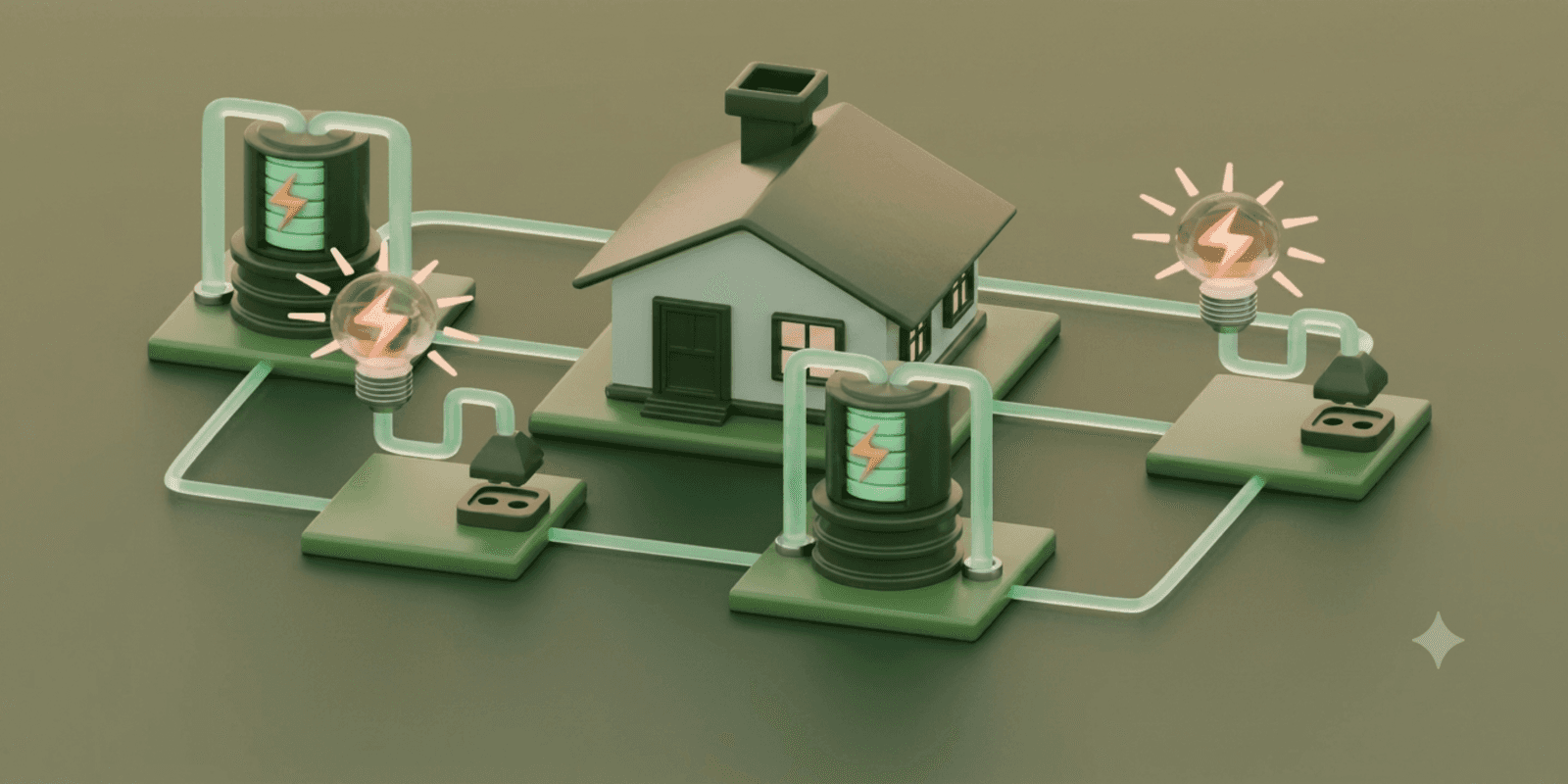
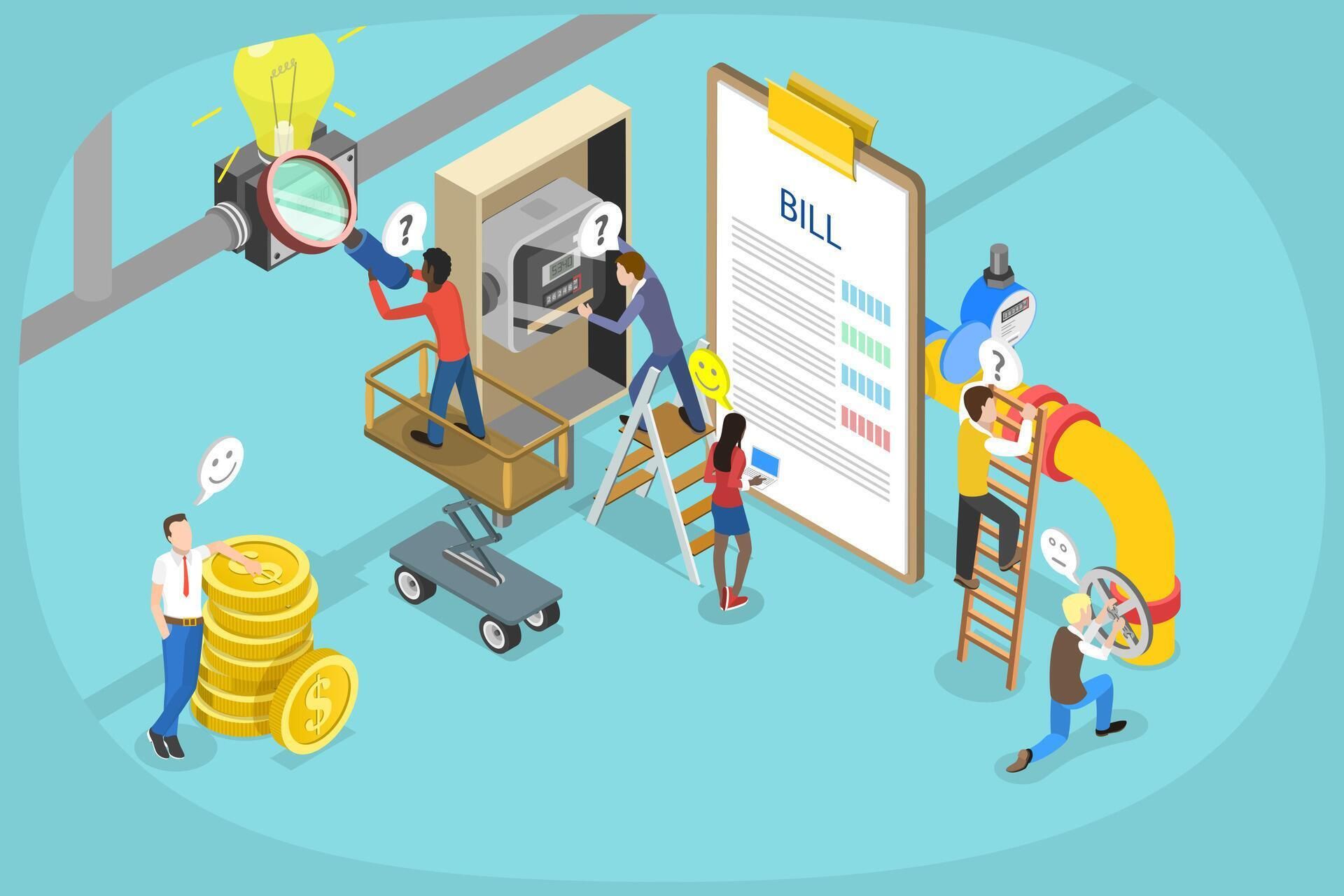
A traditional meter must be read manually. If the supplier does not receive a reliable reading, it may estimate the amount of energy used.
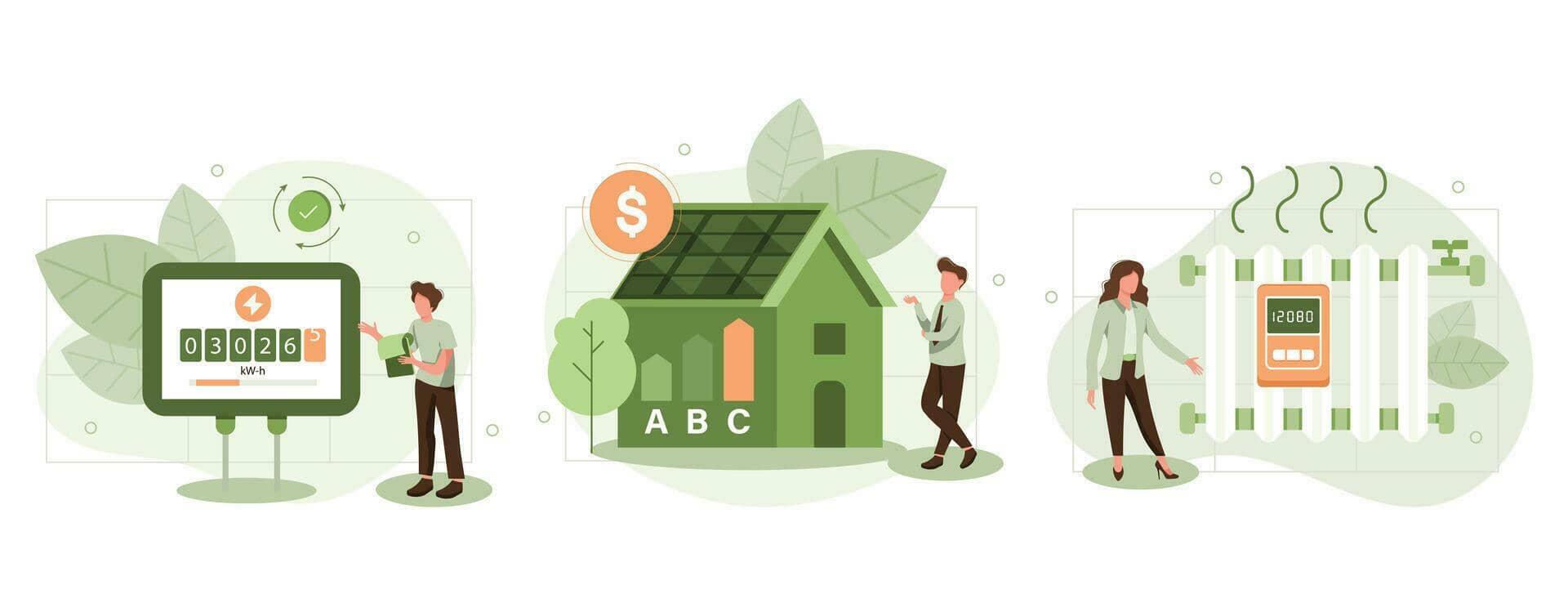
A communicating smart or advanced meter sends consumption information remotely. Depending on the meter, account and service, information may be recorded daily or in half hourly intervals.
The government says smart meters are replacing traditional meters across small businesses and public sector sites in Great Britain. It estimates that engagement with non-domestic smart meter data could contribute to £1.5 billion of energy consumption reductions. Read the government’s non-domestic smart metering guidance.
Are all business smart meters the same?
No.
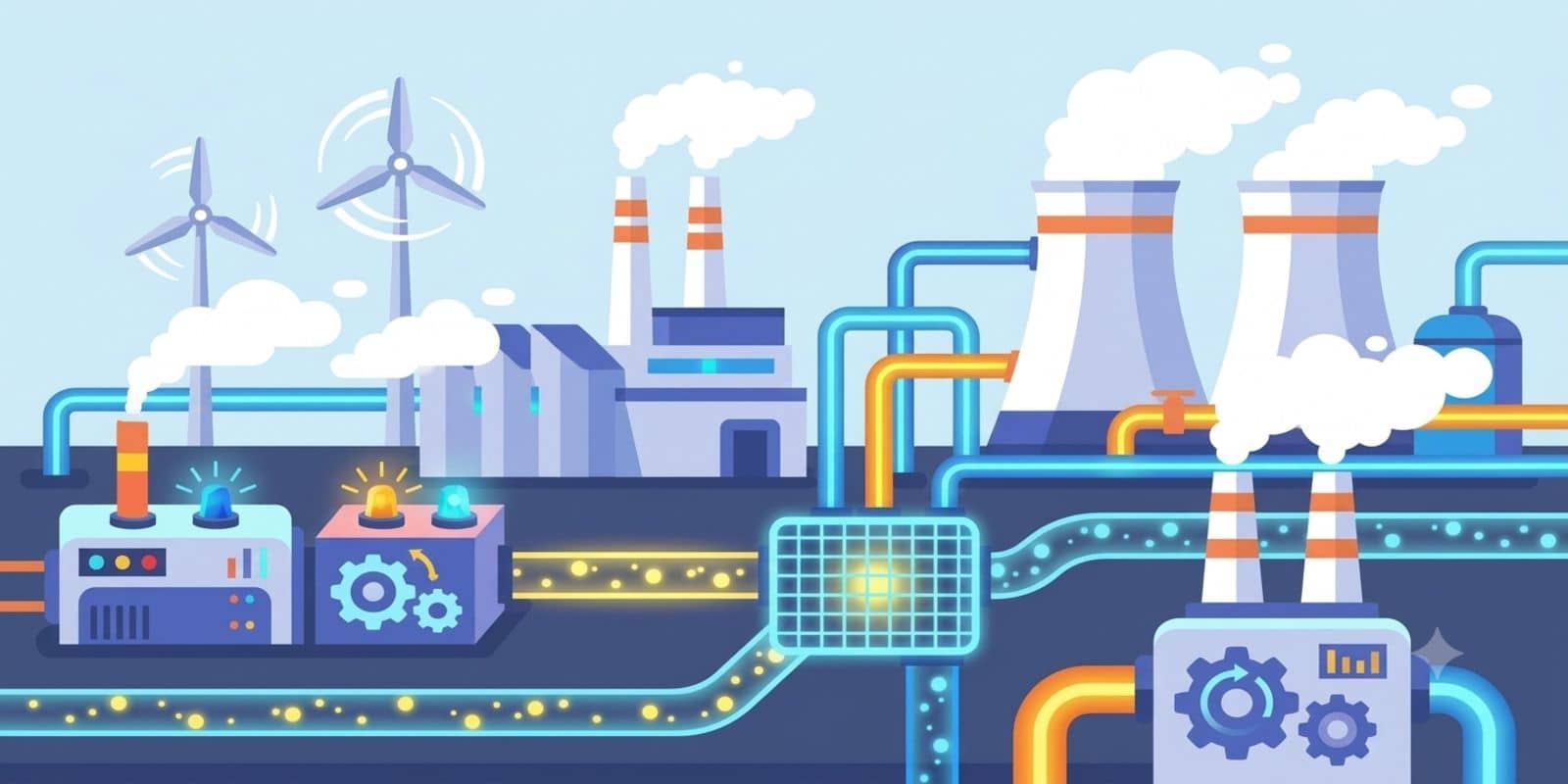
Smaller businesses may have a SMETS smart meter similar to those used in homes. Other commercial premises may use an advanced or automatic meter reading meter.
The appropriate option depends on factors such as:
- The existing meter
- Annual consumption
- Electricity profile
- Site setup
- Communications coverage
- Supplier arrangements
Your supplier should explain which meter is suitable and whether any installation, data or ongoing charges apply.
Can a smart meter reduce estimated bills?
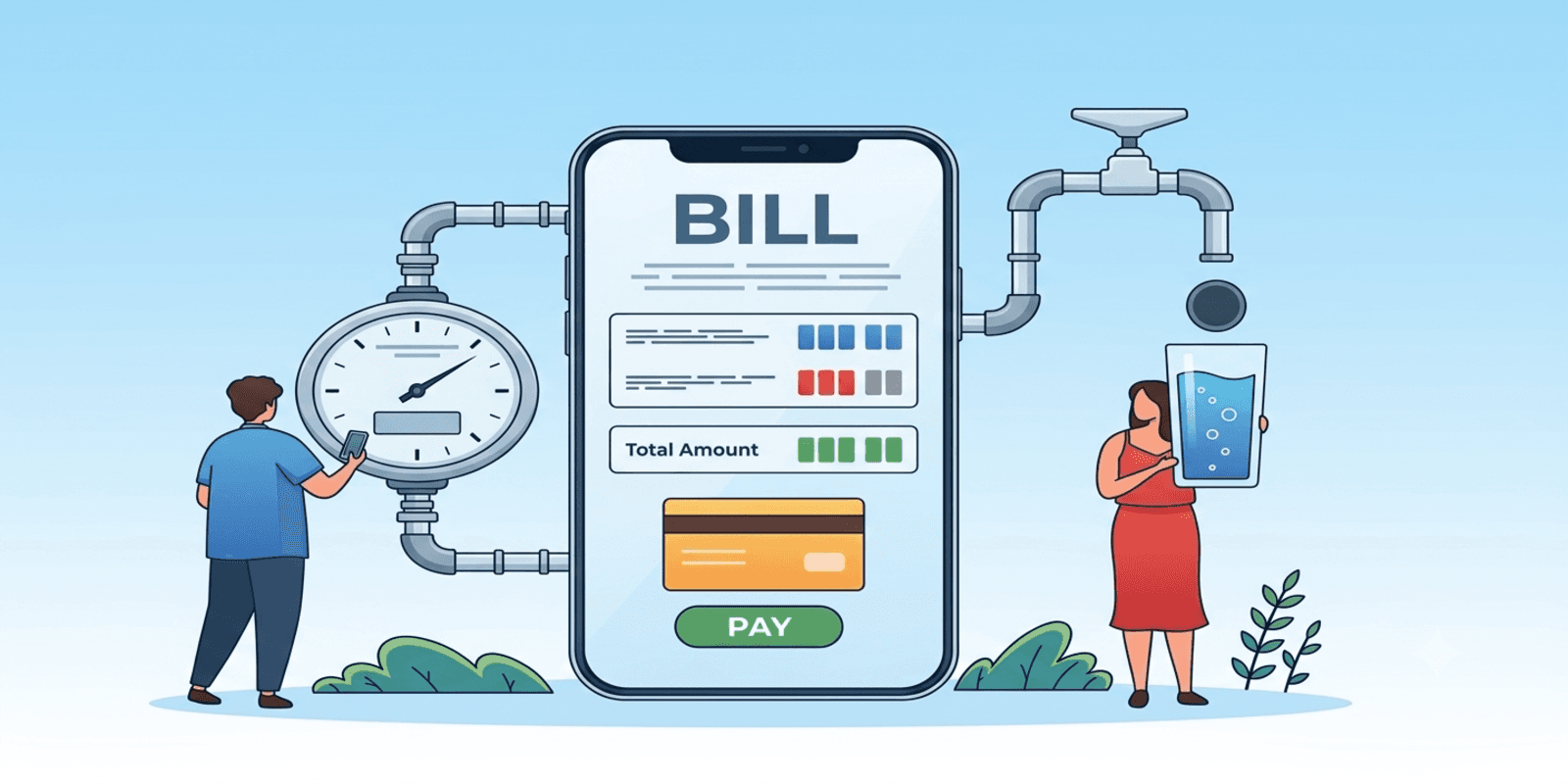
A communicating smart meter can reduce the need for estimated billing by providing the supplier with regular readings.
That does not mean you should stop checking your bills completely. Communications problems can happen, and the meter may continue recording consumption even when readings are not reaching the supplier.
Check whether each bill describes its reading as actual, smart, customer supplied or estimated. Contact the supplier if estimates unexpectedly return.
For support with readings and billing, visit the Smart Pay help centre.
Will it automatically lower my energy costs?
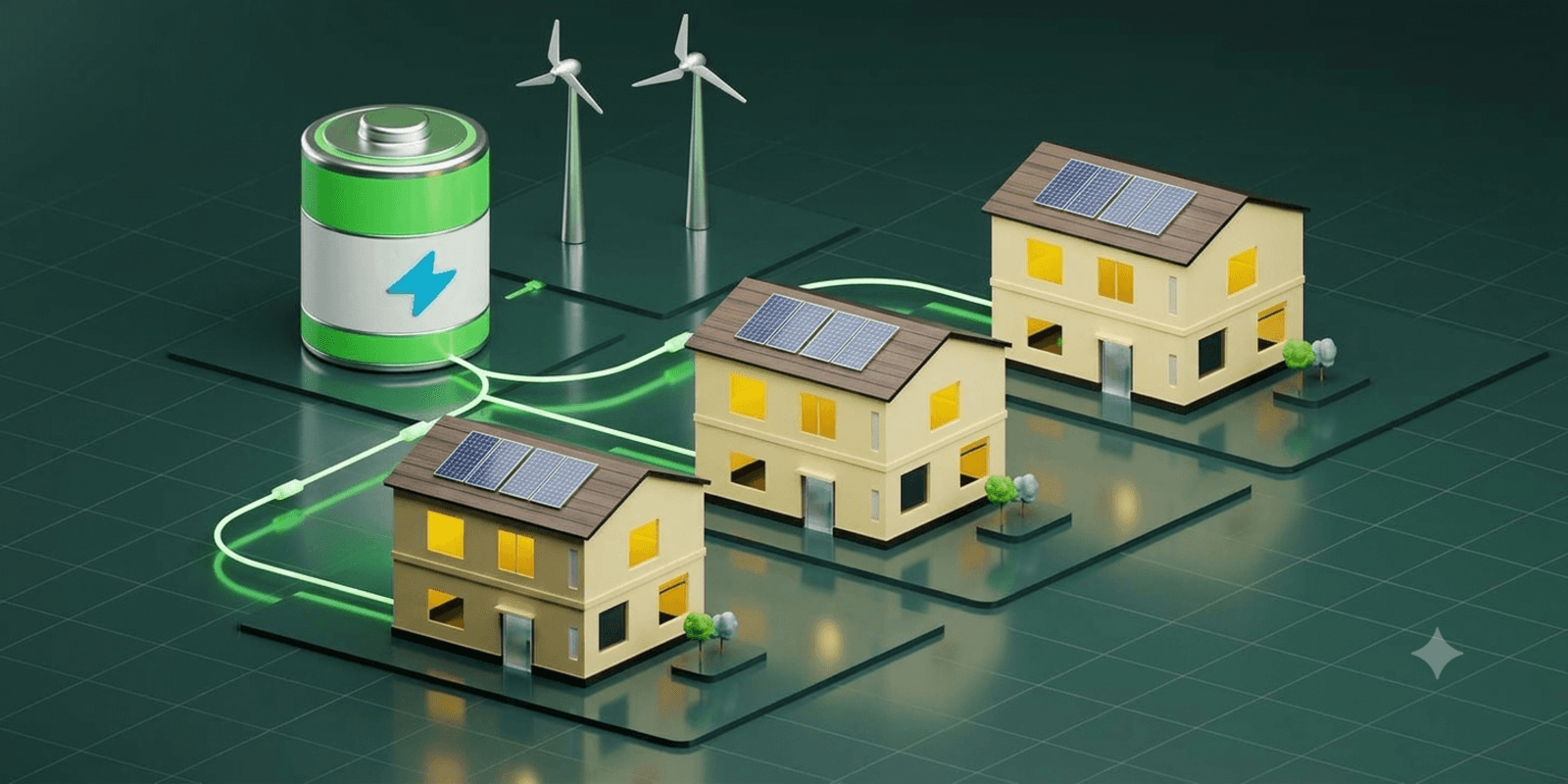
No. A smart meter measures energy; it does not stop equipment using it.
The potential savings come from understanding the data and taking action.
Imagine a café showing high electricity use two hours after closing. The cause could be extraction left running, unnecessary lighting or an appliance that should have been switched off.
A salon might discover that its water heater begins operating several hours before the first appointment. A shop could find that display lighting remains on throughout the night.
The smart meter identifies the pattern. The business still needs to investigate and decide what to change.
What should SMEs look for?
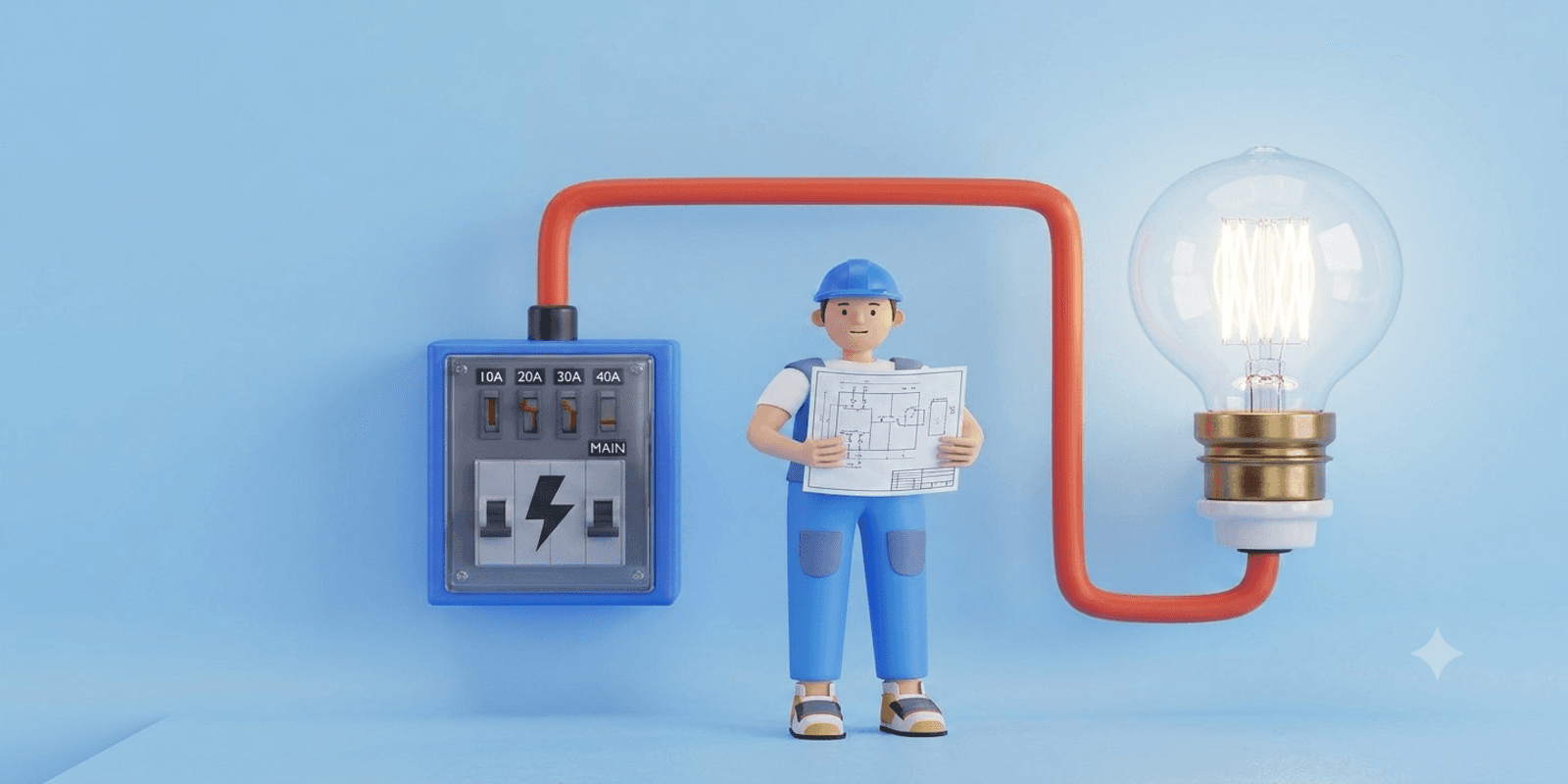
Start with three simple checks.
Your overnight baseload
This is the amount of energy used when the business is closed. Some consumption may be essential for refrigeration, alarms, servers or specialist equipment.
Once you know your normal overnight level, unusual increases become easier to identify.
Your opening and closing times
Look at what happens immediately before opening and after closing.
Heating, hot water, extraction or production equipment may be operating for longer than required.
Changes between similar weeks
Compare periods with similar opening hours and activity. If consumption suddenly rises, consider whether new equipment, colder weather, longer trading hours or a fault could explain it.
What happens during installation?
Before an appointment, ask:
- Will the power or gas need to be interrupted?
- How long is the expected interruption?
- Who needs access to the meter?
- Are any preparatory works required?
- How will the business access its data afterwards?
An authorised person should be available, particularly if the meter is in a locked or restricted area.
Record the new meter serial number, installation date and opening reading. Check the first few bills after installation.
Turn information into action
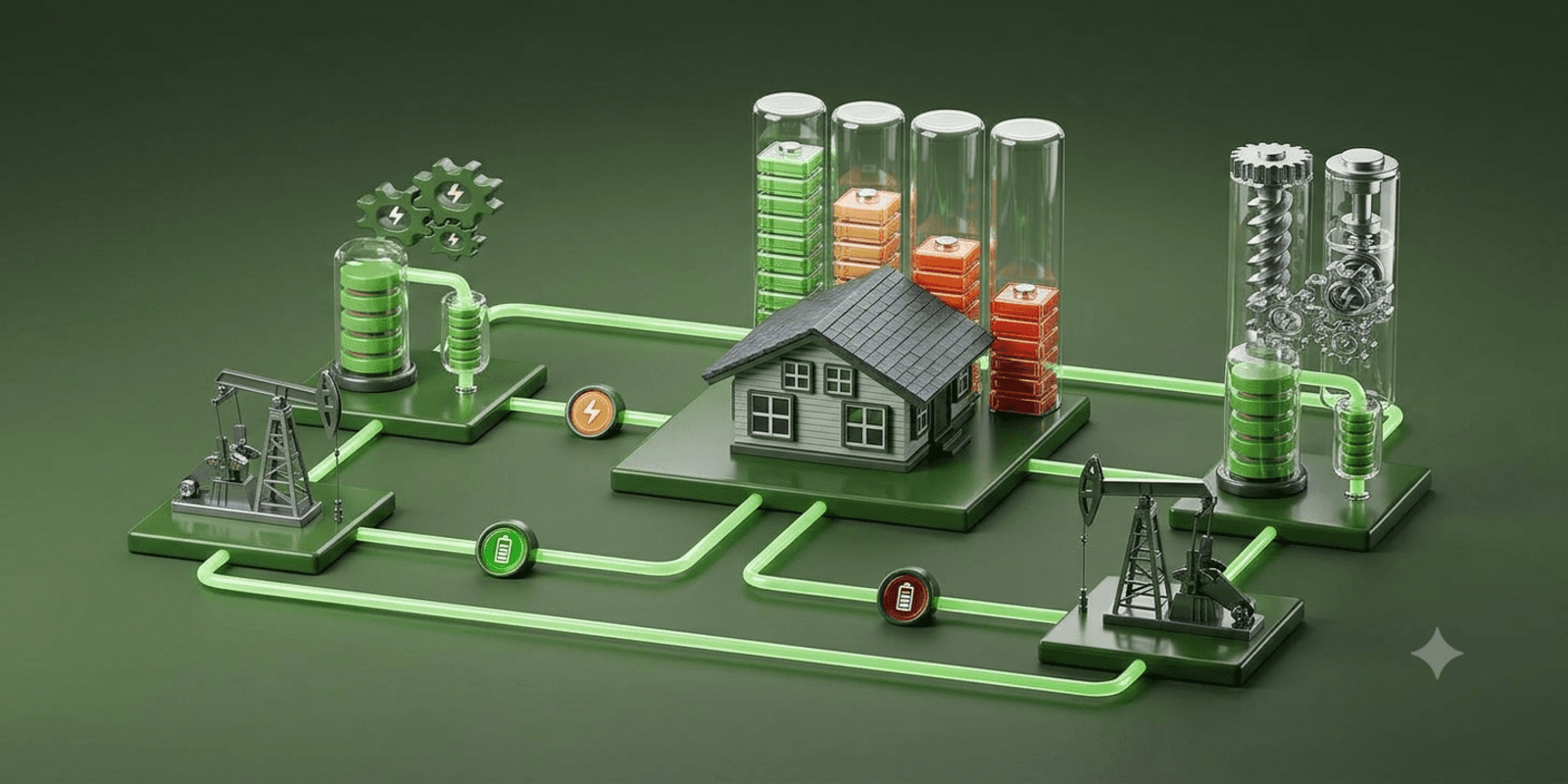
Business smart meters can make energy management more accurate and useful, but the biggest benefit comes when the data becomes part of a regular routine.
Review consumption monthly, investigate unexpected changes and compare the result after introducing an energy saving measure.
Smart Pay Energy uses a digital approach to help SMEs understand their energy more clearly, reduce reliance on estimates and manage routine account tasks online.
Discover how Smart Pay Energy works or request a business energy quote.