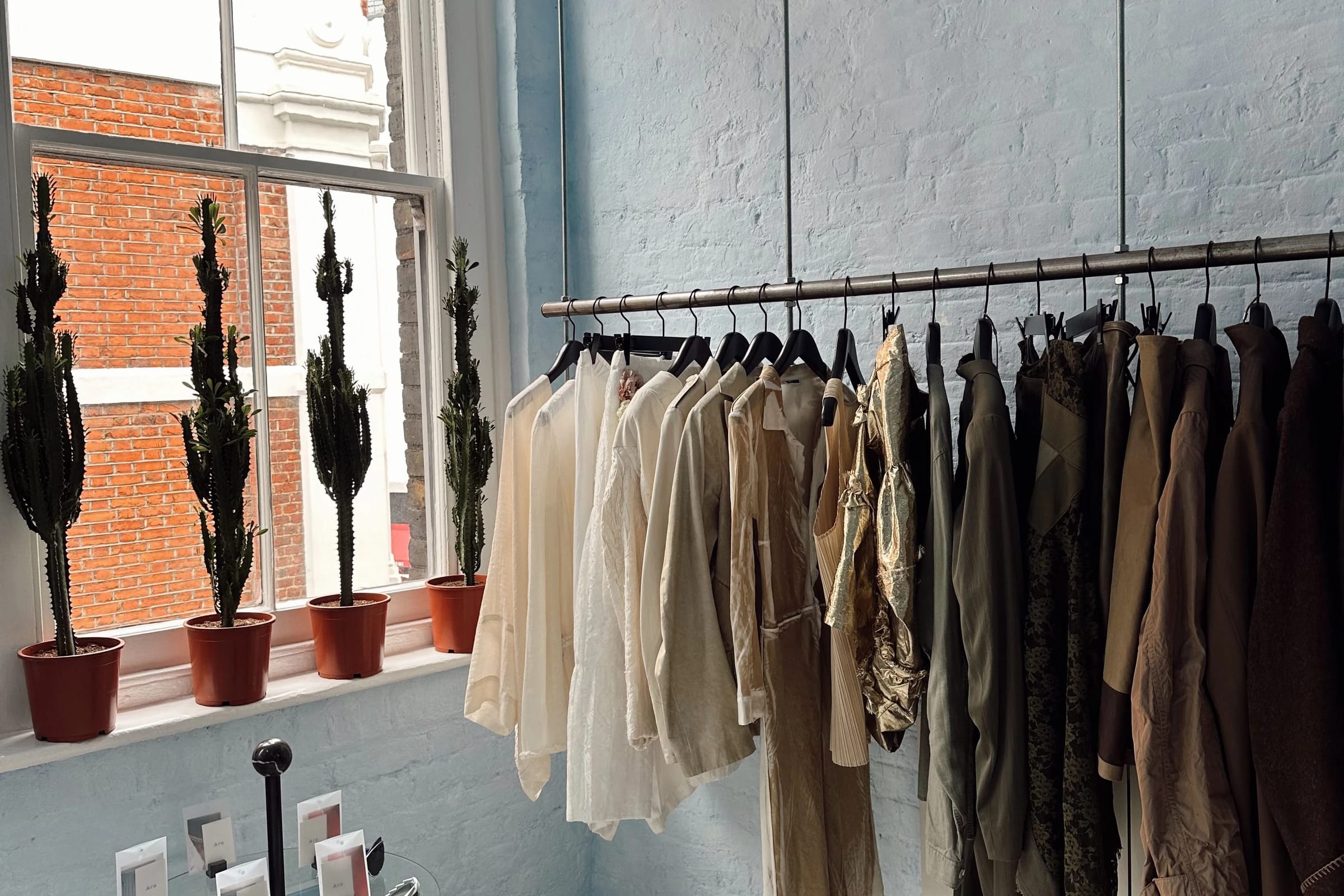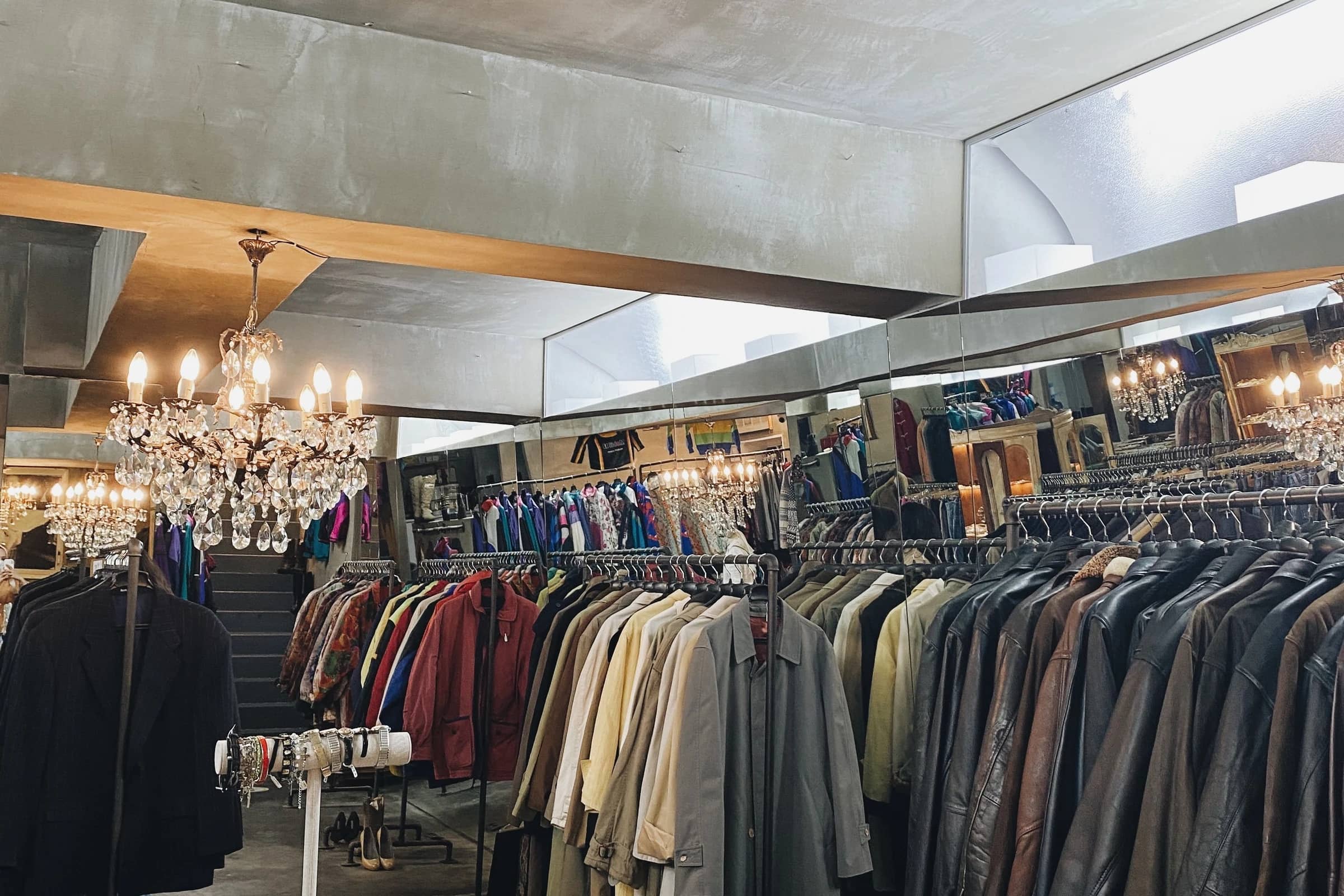
To manage electricity costs in a shop, understand what runs during trading hours and what stays on after closing. Then compare business energy quotes using the same annual consumption and the right meter details. A convenience store and a clothing boutique can need very different things from their energy setup.
The quietest hour of the day can be one of the most useful to investigate.
Give the shop three operating modes
Think about the premises as open, staff-only and closed. Each needs a different combination of lighting, heating and equipment.
| Mode | Questions to ask |
|---|---|
| Open to customers | Is lighting supporting displays and safe access? Are temperatures comfortable? |
| Cleaning or replenishing | Which areas are occupied? Do all display and sign lights need to be on? |
| Closed | What is required for stock, security, safety or essential systems? What has simply been left running? |
This is more useful than one instruction to “turn everything off”, especially when staff replenish stock after trading ends.
Treat display lighting as a schedule
Window displays, fitting rooms, stockrooms and exterior signs do not necessarily need identical hours. Review controls separately and label switches so staff know which areas they operate.
When considering LEDs, check light quality and suitability for the fitting as well as wattage. A lower-energy lamp that makes your products look wrong is a poor purchase.
The Carbon Trust’s retail guide explains opportunities across lighting, heating, refrigeration and the building itself.
Put a value on an avoidable overnight load
Imagine you identify 0.4 kW of lighting and display equipment that could safely be switched off for 14 hours on 300 days a year.
That is 0.4 × 14 × 300 = 1,680 kWh. At an illustrative 25p per kWh, it represents £420 a year in electricity usage charges, before tax.
This is a calculation, not a typical saving or a promise. Your actual result depends on measured demand, operating hours and tariff. But it shows why a small continuous load can deserve attention.
Keep essential use in perspective
Food refrigeration, alarms, security systems and some network equipment may need to run when the shop is closed. Establish what normal closed-hours consumption looks like before trying to reduce it.
A whole-site meter can show when consumption changes. It cannot identify the appliance responsible without further investigation. Check suspected equipment and use suitably rated monitoring devices or professional help where appropriate.
Review heating around customer access
Check timers against current opening hours, particularly after late-night shopping periods. Avoid heating and cooling operating against each other, and investigate draughts without blocking safe access or required ventilation.
If the premises is leased, establish who controls the equipment and who can approve improvements. A timer you cannot access is a landlord conversation, not a staff training issue.
Compare the next contract fairly
Check annual kWh, standing charges, time bands and separately charged costs. Our quote comparison guide explains what to include.
Moving into a new unit? Contact the existing supplier promptly. Using energy without an agreed contract can put the premises on deemed terms; Ofgem explains the different contract types.
Ready to review your electricity? See the SmartPay quote options for your shop.