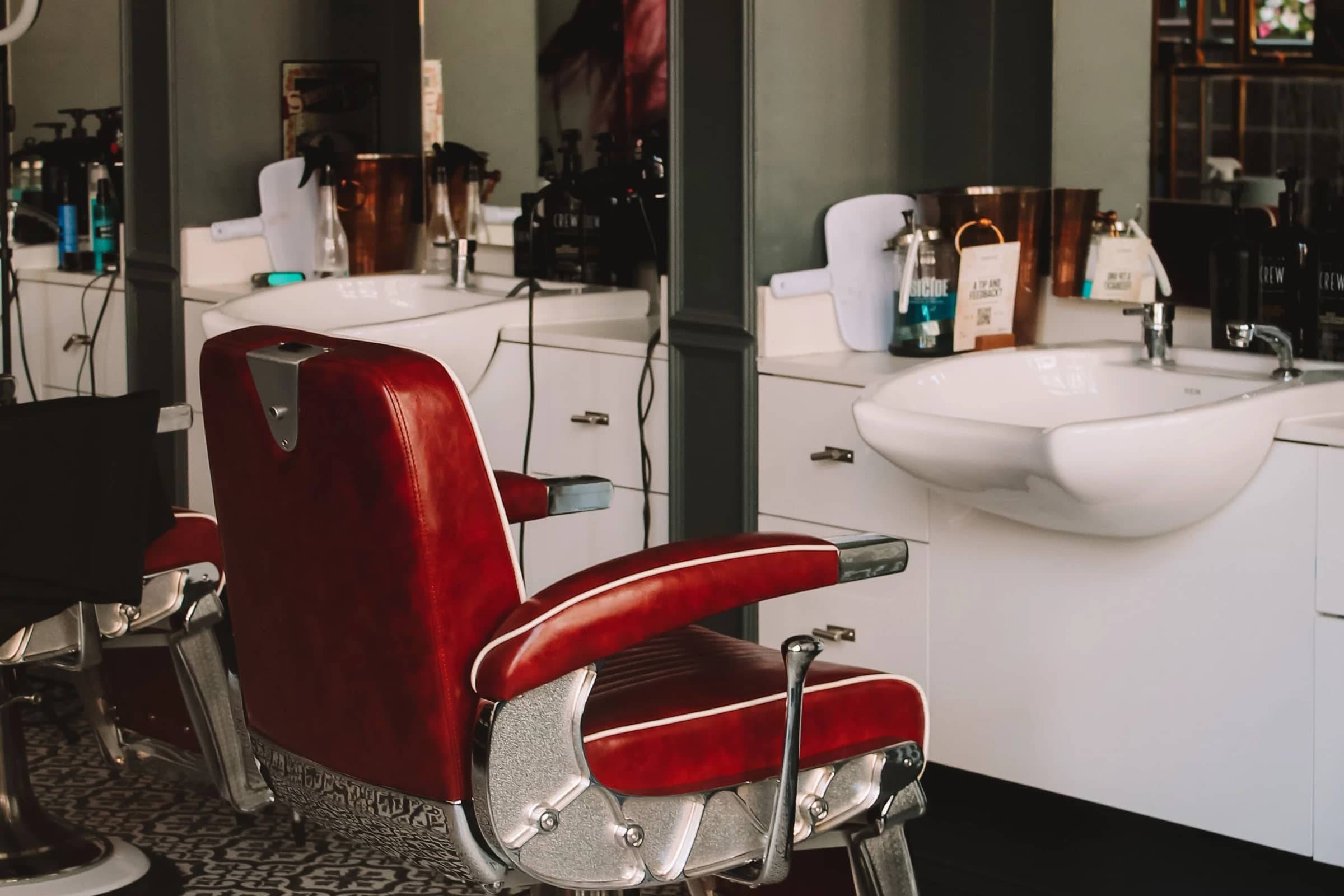
Clearer salon energy bills start with knowing what uses electricity, what uses gas and which readings the bill is based on. Hot water, laundry, lighting and heating can matter alongside styling tools, but the balance depends on your services and equipment.
A hairdryer is easy to notice. A water heater running long after the final appointment is easier to miss.
Match the energy setup to your services
A barber offering mainly dry cuts will not have the same pattern as a salon with busy backwashes, colour appointments and towels washed on site.
List the main equipment and mark which fuel it uses. Check rather than guess: hot water could be provided by a gas boiler or electric system, and outsourced laundry will appear in a service bill rather than your own meter data.
This gives you a better starting point than an average for “a typical salon”.
Review the first and last appointment
Compare staff arrival, the first client, the last client and the end of cleaning with heating and hot-water schedules. Where suitable data is available, check whether usage falls when you expect it to.
Ask a qualified person to review water-heating controls where necessary. Maintain hygiene, infection-control and water-system safety requirements; lowering stored-water temperatures without proper advice is not an energy-saving plan.
For independent, sector-specific support, the NHBF’s Energy Aware programme with Ofgem points salon and barbershop owners towards energy guidance.
Use an appointment measure carefully
An internal measure such as electricity kWh per completed appointment can help you investigate changes. Divide electricity used during a period by the number of completed appointments in that period.
For example, 240 kWh across 80 appointments is 3 kWh per appointment. That is an invented example, not a target or an estimate of what one treatment uses. It includes shared consumption such as lighting and heating.
Compare weeks with a similar service mix, weather and opening hours. A colour-heavy week and a week of short cuts are different workloads. The number should help you ask better questions, not encourage staff to rush appointments.
Give the closing routine a named owner
Check heated tools, non-essential lighting and equipment according to manufacturers’ instructions. Keep cleaning, sterilisation, security and necessary ventilation operating for as long as required.
If laundry is done on site, review loading and cycle selection within your hygiene procedures. Ask staff where routines create unnecessary waiting, repeat cycles or equipment left running. They usually know the practical obstacles.
The Energy Saving Trust’s workplace guide also covers lighting, heating controls and equipment use.
Check what your bill is charging for
Look at the billing period, kWh used, meter-reading status, rates and any earlier balance. For gas, the meter normally records volume, which is converted into kWh for billing. The units on the display are therefore not a direct comparison with billed kWh; GOV.UK explains the gas calculation.
If your business rents part of a larger salon, establish whether energy is included in rent, recharged by the landlord or contracted in your name before requesting a switch.
When you are ready to compare, use realistic annual usage and check the full offer. Our switching guide explains what information to gather.
Reviewing your next agreement? See the SmartPay quote options for your salon or barbershop.